Older Cat Death Causes: Cancer, CKD & Warning Signs
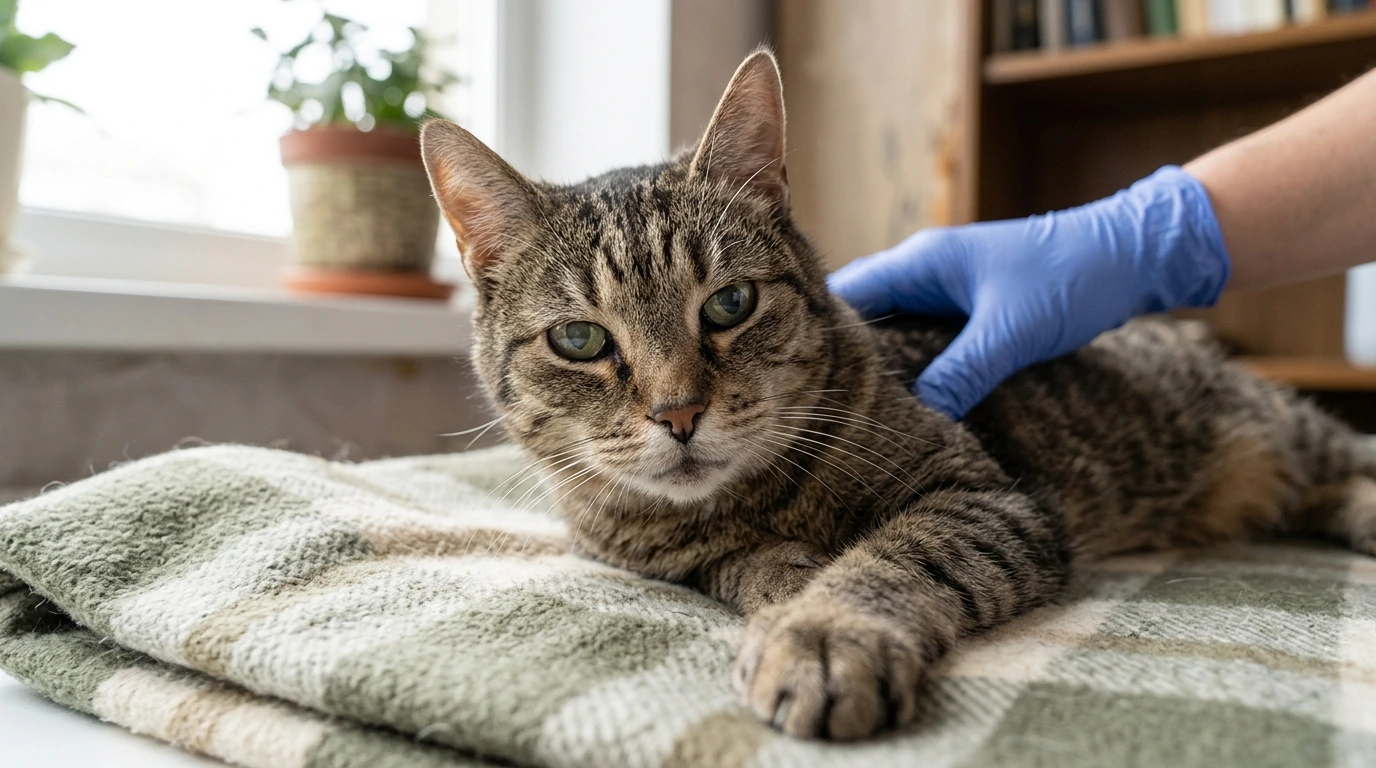
What is the most common cause of death in older cats?
In older cats, cancer is widely considered the most common cause of death, especially in senior and geriatric cats. Many cancers develop quietly, then become serious once they affect vital organs, cause significant weight loss, or spread to other areas of the body.
Why cancer is so common in senior cats
As cats age, their cells have had more time to accumulate damage, and their immune system may be less efficient at catching abnormal cell growth early. Some tumors are slow-growing and manageable for a while, while others are aggressive and progress quickly.
Common cancer types in cats include lymphoma (often affecting the digestive system), mammary tumors, and various internal organ tumors. Because cats are skilled at hiding discomfort, cancer may not be obvious until it’s advanced.
Signs that may point to a serious age-related illness
While these signs don’t confirm cancer, they should prompt a veterinary visit—especially in cats over 10 years old:
- Unexplained weight loss or muscle wasting
- Reduced appetite or picky eating that’s new
- Vomiting or diarrhea that doesn’t resolve
- Lumps, swelling, or sores that don’t heal
- Labored breathing or persistent coughing
- Hiding, decreased grooming, or sudden behavior changes
Other leading causes of death in older cats
Even though cancer is a top cause, other age-related diseases are also very common. Chronic kidney disease (CKD) is a major one, along with heart disease, diabetes, hyperthyroidism complications, and severe dental disease that can contribute to systemic illness. Often, more than one condition is present at the same time, which can complicate treatment.
How to support a longer, healthier senior life
Routine senior wellness exams (often every 6 months), basic bloodwork, urine testing, blood pressure checks, and dental care can catch problems earlier—when treatment options are broader. If something feels “off,” timely evaluation matters more than waiting for symptoms to become dramatic.
For a deeper dive into causes, warning signs, and what to watch for as cats age, visit the main guide on older cat causes of death.
FAQ
How can I tell if my senior cat needs to see a vet urgently?
Seek urgent care for trouble breathing, repeated vomiting, inability to urinate, sudden weakness, collapse, or refusal to eat for 24 hours. Rapid weight loss, severe lethargy, or pale gums also warrant prompt evaluation.
















Leave a comment