Aluminum Car Trash Cans vs Plastic or Fabric: Best Pick
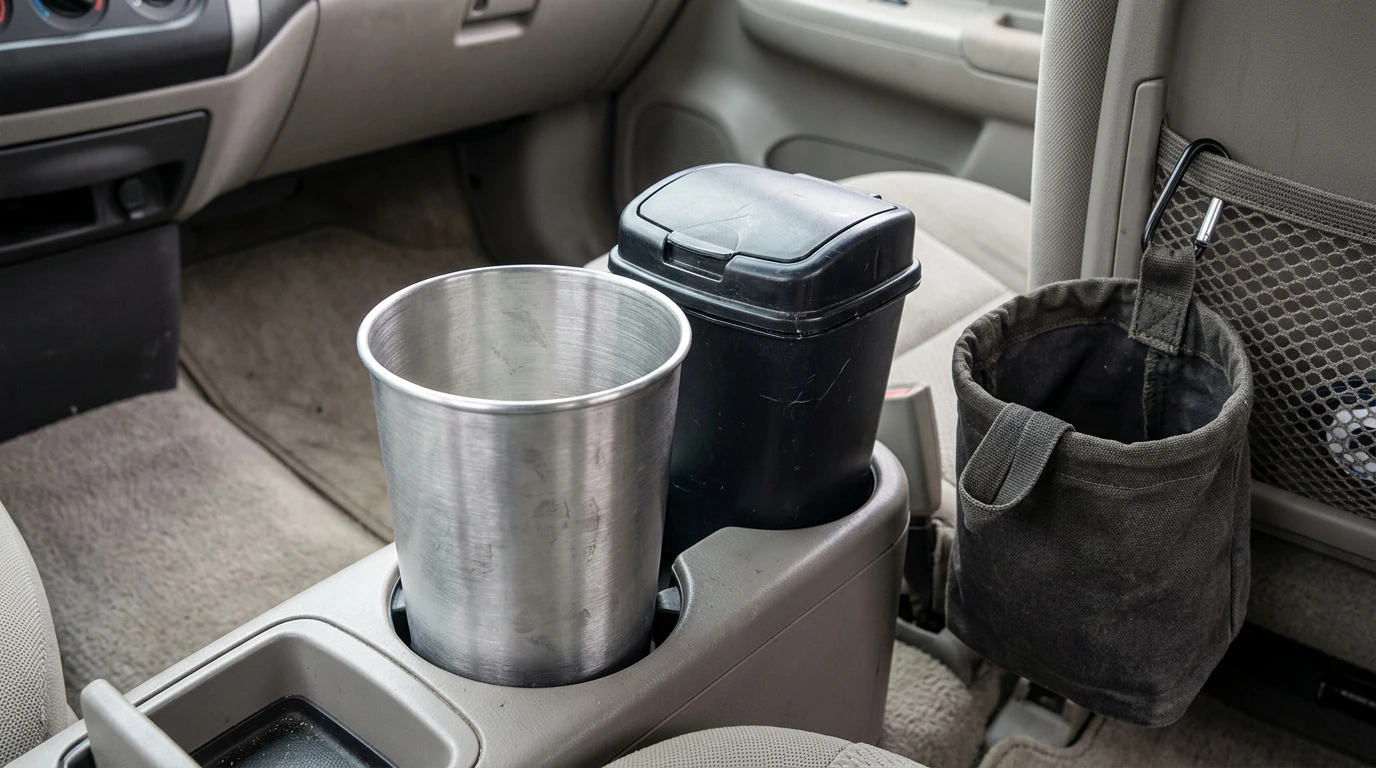
Is an aluminum car trash can better than plastic or fabric options?
An aluminum car trash can is often the better pick when durability, odor control, and easy cleanup matter most. The tradeoff is usually a higher price and, in some designs, a bit of extra weight compared with plastic or fabric.
Aluminum vs. plastic: What changes day to day?
Aluminum tends to feel more solid and resists cracking from temperature swings, especially in hot summers or freezing winters. It’s also easier to wipe fully clean after a spill. Plastic can be lightweight and inexpensive, but cheaper plastics may absorb smells over time, scratch easily, or warp if left in direct sun.
Aluminum vs. fabric: Which is easier to keep fresh?
Fabric car trash cans are convenient and often include pockets or collapsible shapes, but they can hold onto odors and moisture if liquid leaks or food scraps sit too long. Aluminum is non-porous, so smells are less likely to cling, and disinfecting takes seconds with a wipe. If the goal is the cleanest option for messy snacks, coffee cups, or kids’ debris, aluminum usually wins.
When plastic or fabric might be the better choice
Plastic works well for light, dry trash and drivers who want the most budget-friendly option. Fabric is handy if you want a soft-sided can that fits odd spaces, folds away, or hangs from a headrest without rattling. For quiet rides, fabric can also reduce clanking compared with a metal bin.
Bottom line
If the car trash can will see frequent use, occasional spills, or strong-smelling waste, aluminum is typically the most hygienic and long-lasting choice. For a deeper comparison of materials and practical buying tips, visit the full guide here.
For Aluminum Car Trash Cans vs Plastic or Fabric: Best Pick, the best answer depends on fit, material, care instructions, and how the product will be used day to day.
FAQ
How do you clean a car trash can without lingering odors?
Empty it regularly, then wipe the inside with warm soapy water or a mild disinfectant. Let it dry completely before adding a new liner, and consider a small baking soda pouch if odors tend to return.















Leave a comment