Best Potting Mix for Indoor Ornamentals + When to Change It
What type of potting mix is best for indoor ornamental plants, and when should I change it?
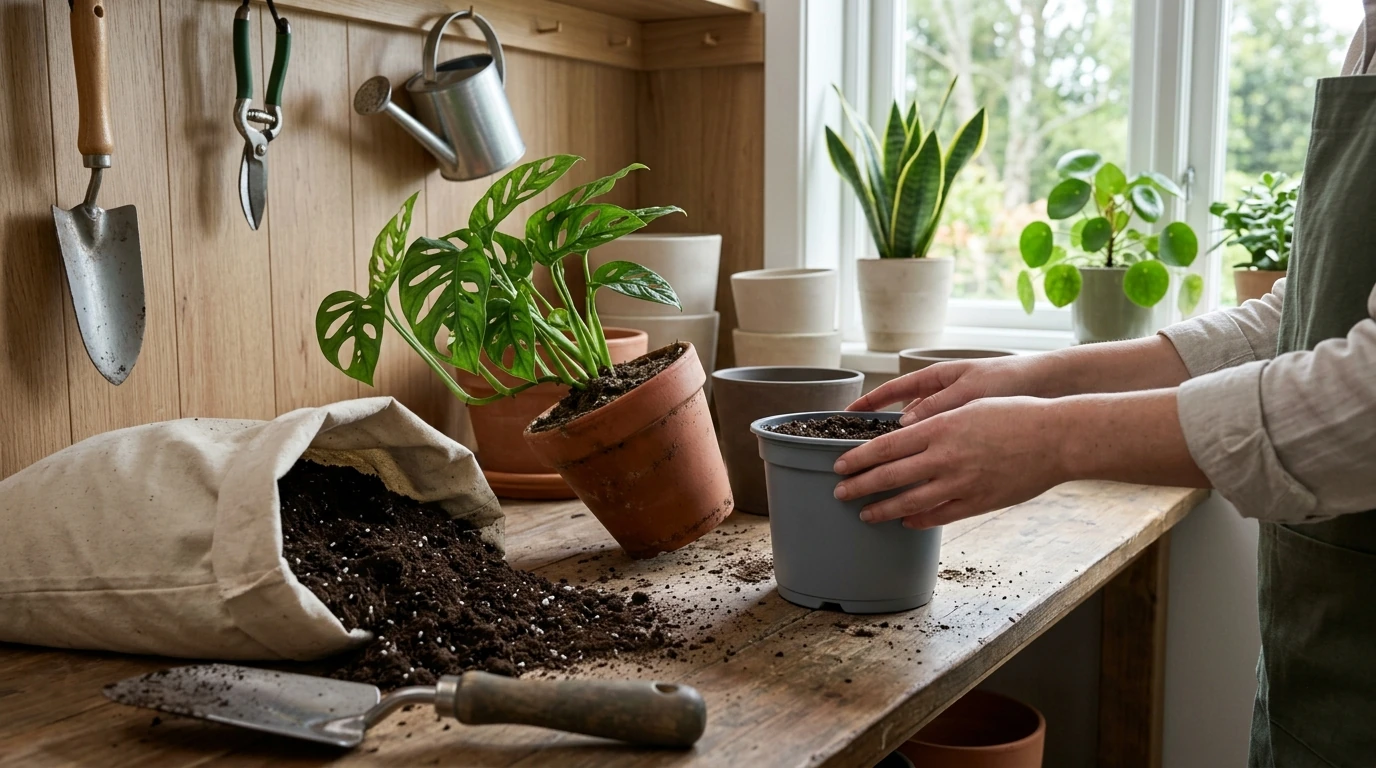
The best potting mix for indoor ornamental plants is a fresh, sterile, soilless mix that matches how your plant prefers to hold (or shed) moisture. For most common houseplants, a high-quality all-purpose indoor potting mix with peat moss or coco coir, perlite/pumice for airflow, and a small amount of compost or bark provides a reliable balance of drainage and water retention. Avoid using garden soil indoors—it compacts, drains poorly, and can introduce pests.
Choosing the right mix by plant type
For tropical foliage plants (pothos, philodendron, monstera), look for a mix that stays lightly moist but airy; extra perlite and orchid bark help prevent soggy roots. For succulents and cacti, choose a fast-draining cactus mix or amend an indoor mix heavily with pumice/perlite and coarse sand so water doesn’t linger. For ferns and moisture-lovers, a coir/peat-based mix with less added grit helps maintain even moisture, but it still needs some perlite to keep roots oxygenated. Orchids and aroids with thick roots often do best in chunkier blends with bark as the main ingredient.
When to change potting mix
Change potting mix when it stops draining well, becomes compacted, develops a persistent sour smell, or leaves white crusty salt buildup on the surface. A practical schedule is every 12–24 months for average growers, and closer to 24–36 months for slow-growing plants if the mix still looks fluffy and drains properly.
Repot sooner if roots are circling the pot, pushing the plant up, or poking out of drainage holes, or if watering goes from “soaks in” to “runs straight through” due to hydrophobic, dried-out peat/coir. When changing mix, remove loose old material, trim any dead roots, and step up only 1–2 inches in pot diameter to reduce overwatering risk. For more detail, visit the complete guide here.
FAQ
How can I tell if my potting mix has gone bad?
Signs include compacted soil that stays wet too long, a sour or musty odor, fungus gnat issues that keep returning, or heavy salt crust on top. If water won’t absorb evenly or roots look stressed despite proper care, it’s time to refresh the mix.















Leave a comment