Wake Window Too Short or Too Long? Baby Sleep Signs
How do I know if my baby’s wake window is too short or too long?
A wake window is the time your baby is comfortably awake between naps (or between waking up and bedtime). The “right” window usually looks calm and predictable: your baby stays engaged, then transitions into sleep without a prolonged fight or a sudden crash. When the timing is off, the signs tend to show up both before sleep (mood and cues) and during sleep (how quickly they fall asleep and how long they stay asleep).
Answer
Signs the wake window is too short
If your baby is put down too soon, they may not have built enough sleep pressure. Common clues include taking a long time to fall asleep, babbling or playing in the crib, short “cat naps” that end quickly, and waking up cheerful but still tired later. You may also notice frequent false starts at bedtime—falling asleep briefly, then popping awake.
Signs the wake window is too long
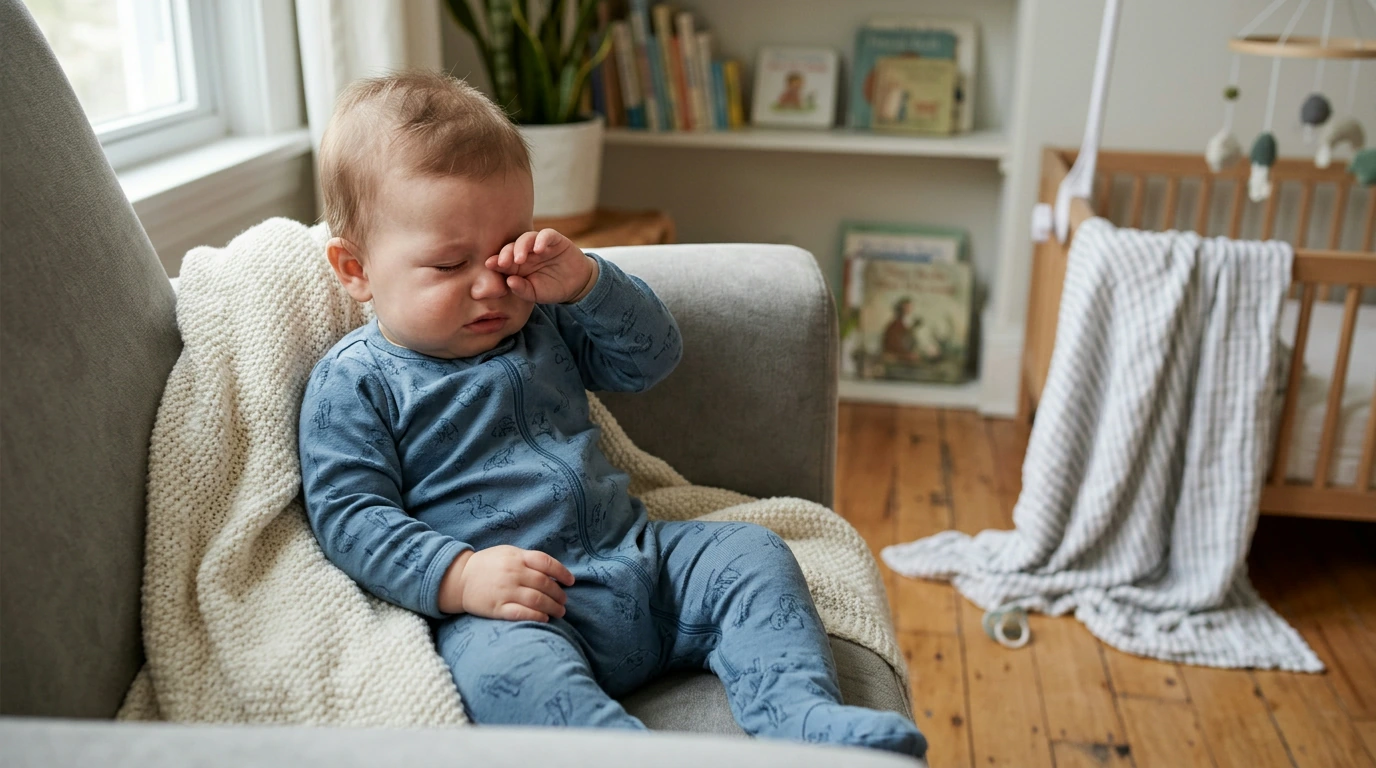
When your baby stays up past their comfortable limit, overtiredness can kick in. Look for sudden fussiness, frantic energy (wired behavior), rubbing eyes with escalating crying, arching, resisting soothing, and taking a short nap that ends with tears. At night, an overly long last wake window can lead to difficulty settling, more night wakings, or early-morning wake-ups.
How to fine-tune without overhauling everything
Use your baby’s cues plus a simple check: if falling asleep takes more than about 15–20 minutes repeatedly, adjust timing. If they’re wide awake, stretch the next wake window by 10–15 minutes. If they’re melting down before sleep, shorten it by 10–15 minutes and aim for an earlier wind-down (dim lights, feeding, calm play). Track for 3–4 days before changing again so you can spot a real pattern instead of a one-off rough nap.
For a deeper breakdown of age ranges, cue charts, and troubleshooting, visit the full guide on wake windows here.
FAQ
How can I tell if my baby is overtired vs undertired?
Overtired babies often seem wired, fussy, and harder to settle, and may wake frequently. Undertired babies usually take longer to fall asleep and may treat sleep time like playtime, with shorter naps and happy wake-ups.
















Leave a comment