EVAP Leak or Something Else? Check Engine Light Clues
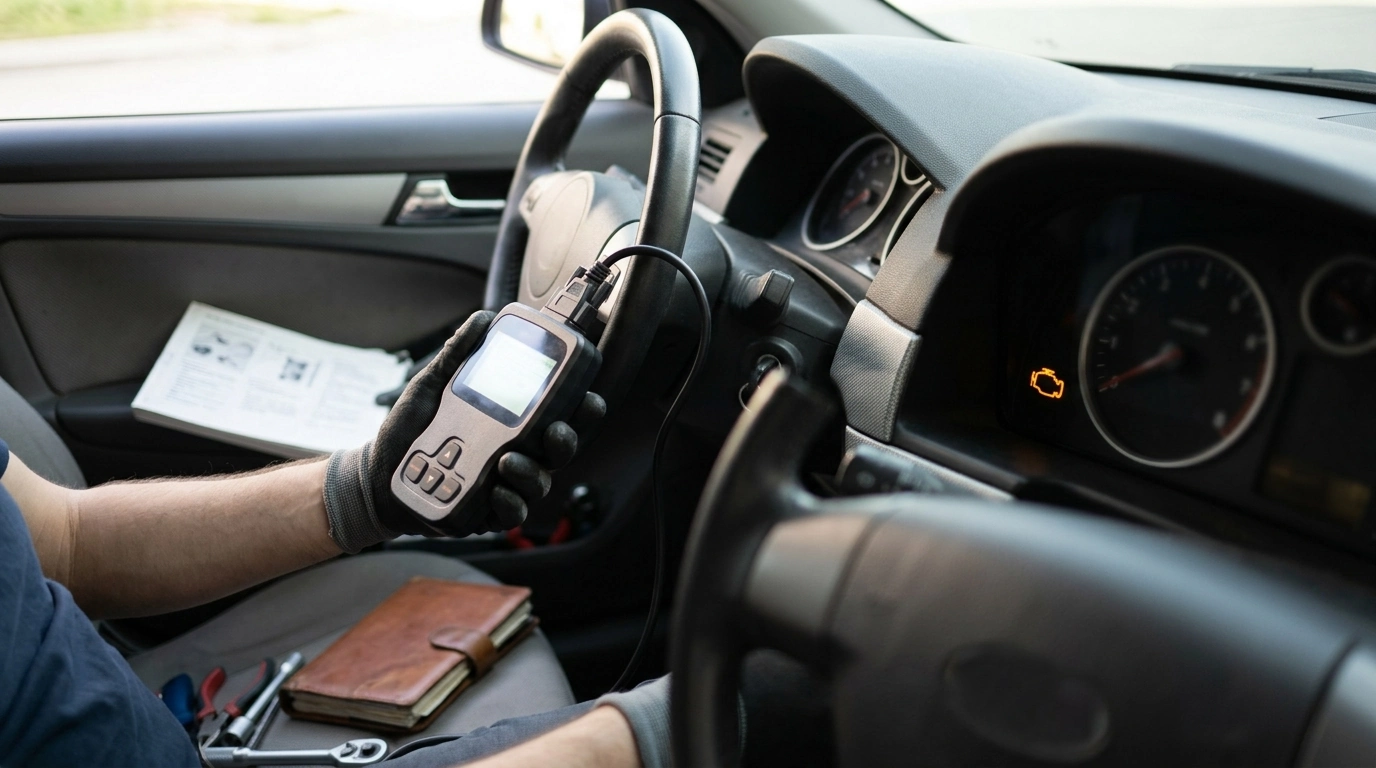
How do I know if my check engine light is triggered by an EVAP leak versus another problem?
An EVAP leak means the system that captures and stores fuel vapors (instead of venting them to the air) isn’t holding pressure the way it should. The fastest way to tell if your check engine light is EVAP-related is to read the diagnostic trouble codes (DTCs) with an OBD-II scanner. EVAP issues commonly set codes like P0440, P0441, P0442, P0455, P0456, and P0457. If you see one of these, the light is very likely tied to an EVAP leak or EVAP system fault rather than an ignition, fuel, or emissions sensor problem.
Clues that point to an EVAP leak
EVAP leaks often don’t change how the vehicle drives. Many cars will idle normally and accelerate normally, with the check engine light being the main symptom. A loose, damaged, or missing gas cap is a frequent trigger (especially codes like P0457 for a “loose cap”), so checking the cap seal and tightening it until it clicks is a smart first step. Another common clue is that the light turns on soon after fueling, since the EVAP system runs self-tests after refueling on many vehicles.
Signs it’s probably something else
If the car runs rough, misfires, stalls, loses power, or you notice strong fuel smell in the engine bay, you’re likely dealing with a different fault (such as ignition coils/spark plugs, a vacuum leak, a failing sensor, or a fuel delivery issue). Also, a flashing check engine light typically indicates an active misfire that can damage the catalytic converter—this is generally not how small EVAP leaks present.
How to confirm the cause
After tightening/replacing the gas cap, clear the code (or let it clear after a few successful drive cycles) and see if it returns. For persistent EVAP codes, a smoke test is the most reliable way to locate small leaks in hoses, the purge valve, vent valve, charcoal canister, or the filler neck area. For deeper troubleshooting steps and common fixes, visit the main guide here.
FAQ
Can a bad purge valve cause a check engine light without a noticeable driveability issue?
Yes. A sticking purge valve can set EVAP codes while the car still feels mostly normal, though some vehicles may develop hard starts after refueling or an occasional rough idle.















Leave a comment