Winter Layering Tips: Base, Mid & Shell Made Simple
What are some tips for layering in winter?
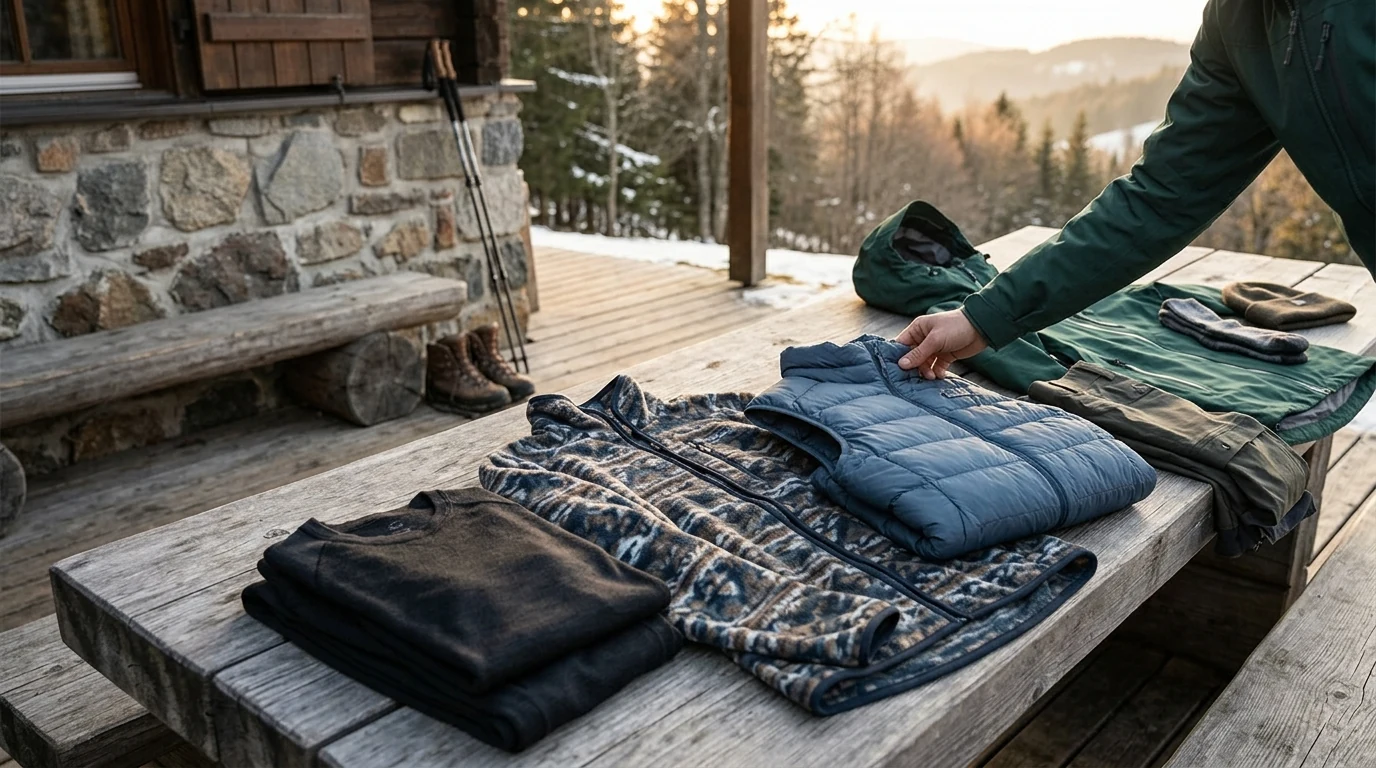
Smart winter layering is less about piling on bulk and more about building a system that traps warmth, manages sweat, and blocks wind. Start with three core layers—base, mid, and outer—then adjust for your activity level and the day’s conditions.
Start with a moisture-wicking base layer
Your base layer sits against the skin, so comfort and sweat control matter most. Choose merino wool or a synthetic performance fabric that pulls moisture away and dries quickly. Avoid cotton for this layer because it holds moisture and can make you feel colder once you stop moving.
Add an insulating mid-layer for warmth
The mid-layer is your heat trap. Fleece, wool sweaters, and lightweight down or synthetic puffers work well, depending on how cold it is and whether you’ll be active. If you tend to overheat, pick a breathable fleece; if you’ll be standing still outdoors, a puffer adds more warmth per ounce.
Finish with a weatherproof outer layer
Your outer layer shields you from wind, rain, and snow. Look for a shell or insulated jacket with wind resistance, a hood, and adjustable cuffs to seal in heat. In wet snow or freezing rain, a waterproof shell over a warm mid-layer often performs better than a single heavy coat.
Use small adjustments to stay comfortable
Ventilation is a layering superpower. Unzip a collar, open pit zips, or remove a hat before you get sweaty—then add it back when you cool down. Warm accessories also count as layers: a beanie, neck gaiter, gloves, and wool socks can make a bigger difference than adding another bulky top.
For a deeper, step-by-step breakdown of winter layering choices, visit https://keybuybazaar.shop/what-are-some-tips-for-layering-in-winter/.
FAQ
How do I choose between wool and synthetic base layers?
Merino wool resists odor and stays warm even when damp, making it great for all-day wear. Synthetics dry fast and are often more budget-friendly, which can be ideal for high-sweat activities.
















Leave a comment