Fine Motor Skills: Why They Matter for School Readiness
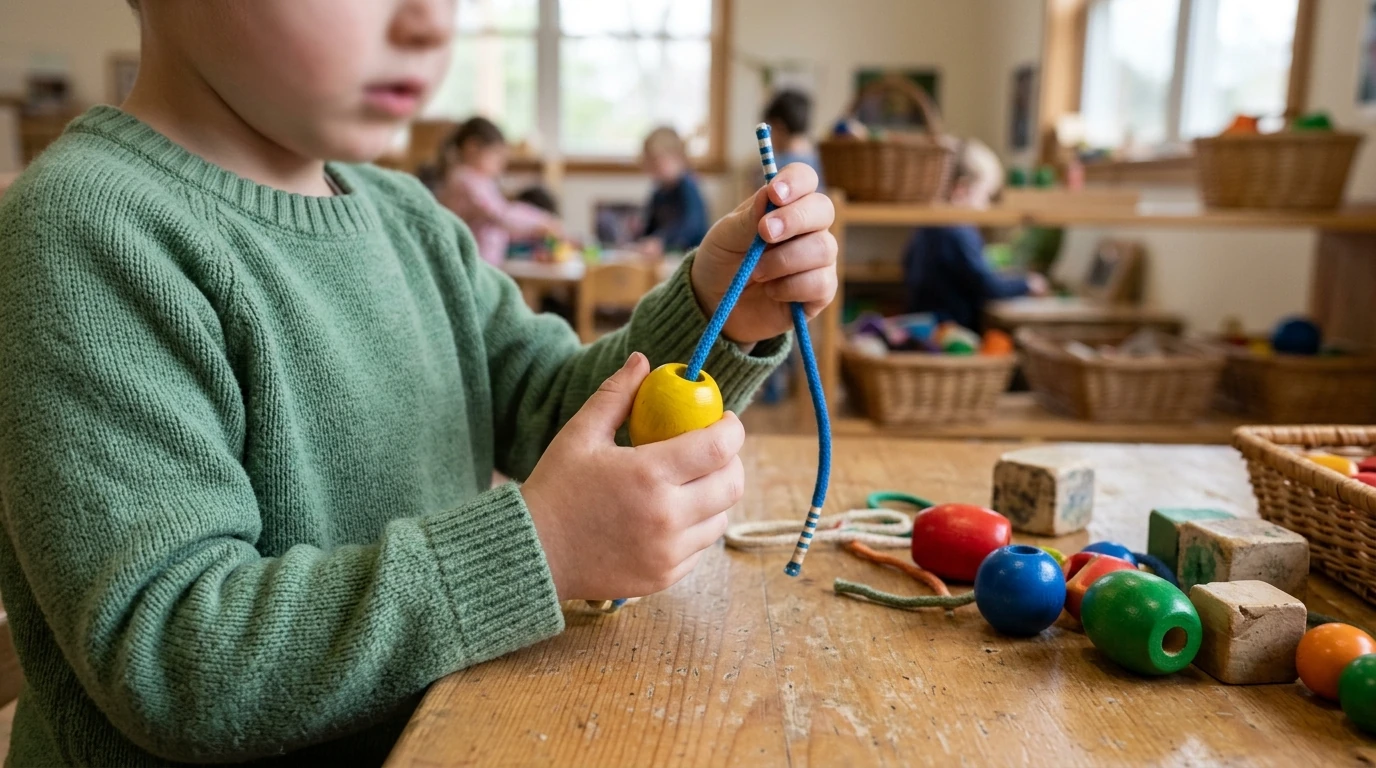
What are fine motor skills and why do they matter for preschool and kindergarten readiness?
Fine motor skills are the small, precise movements kids make using the muscles in their hands and fingers—often with help from the wrists and eyes working together. These skills show up when a child pinches a bead, turns a page, zips a jacket, or uses crayons and scissors. They’re different from gross motor skills (like running and jumping) because they focus on control, coordination, and accuracy.
They matter for preschool and kindergarten readiness because so much of the school day relies on hand strength, finger dexterity, and hand-eye coordination. Children who are comfortable using their hands can participate more easily in classroom routines and learning activities, which can boost confidence and reduce frustration.
How fine motor skills support classroom tasks
In preschool and kindergarten, fine motor control helps children:
- Hold and control a pencil, marker, or crayon for early writing and drawing
- Use scissors for cutting practice and art projects
- Open lunch containers, peel packaging, and use utensils
- Manage clothing fasteners like zippers, snaps, and buttons
- Build with blocks, complete puzzles, and manipulate small learning tools
Why they affect learning beyond handwriting
Fine motor skills also support attention and independence. When kids can manage materials—turning pages, gluing shapes, placing counters, or sorting objects—they can focus more on instructions and ideas instead of struggling with the tools. Over time, this can influence early literacy (forming letters), math (using manipulatives), and classroom behavior (finishing tasks without constant adult help).
Where to learn more
For a deeper look at what fine motor skills include and practical ways to support them at home, visit the main guide here: What are fine motor skills and why do they matter for preschool and kindergarten readiness?
FAQ
What are some easy fine motor activities to do at home?
Try playdough pinching and rolling, bead threading, sticker peeling, simple puzzles, and using tongs to move small items. Short, playful sessions often build strength and coordination faster than long drills.













Leave a comment