When Do Baby Wake Windows Get Longer? Age Chart
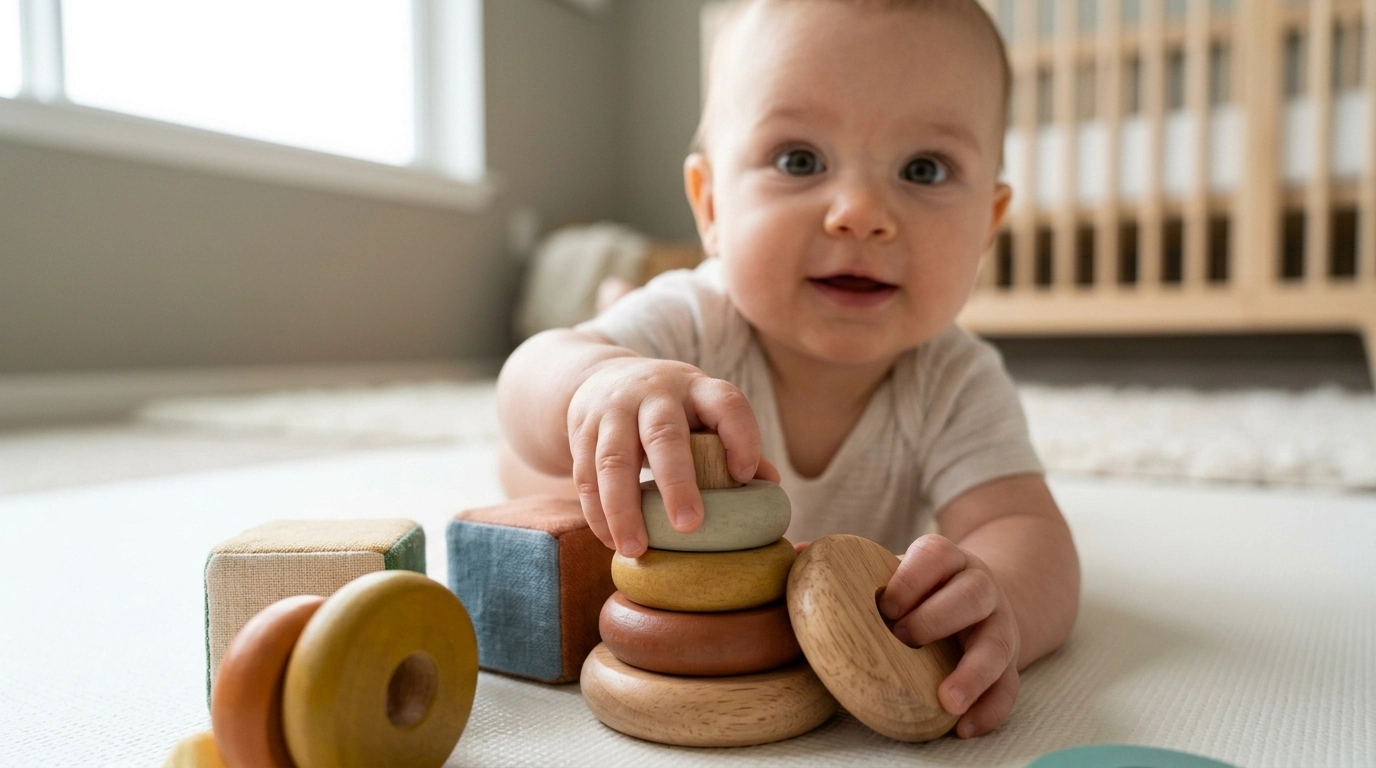
At what age do babies’ wake windows get longer?
Babies’ wake windows usually start getting noticeably longer around 3 to 4 months, when many infants can comfortably stay awake for about 75–120 minutes between naps (depending on temperament and sleep quality). Another common jump happens around 5 to 6 months, when wake windows often stretch closer to 2–3 hours as naps become more predictable and nighttime sleep can consolidate.
That said, wake windows don’t lengthen on a strict schedule. Growth spurts, illness, developmental leaps, and short naps can temporarily shrink how long a baby can handle being awake without becoming overtired.
How wake windows typically change by age
Newborn to 8 weeks
Wake windows are very short—often 30–60 minutes. Many newborns need sleep soon after feeding and a brief interaction.
2 to 3 months
Many babies can stay awake about 60–90 minutes. You may start seeing slightly longer alert periods, especially in the morning.
3 to 4 months
This is a common turning point. Wake windows often extend to 75–120 minutes, and sleep cues may become easier to read as routines begin to form.
5 to 6 months
Wake windows often reach 2–3 hours, supporting a more consistent 3-nap (and later 2-nap) rhythm for many babies.
Signs it’s time to lengthen the wake window
If your baby fights naps, takes a long time to fall asleep, or treats naps like a quick “power nap,” they may be ready for a little more awake time. On the other hand, rubbing eyes, zoning out, fussiness, or a “second wind” can mean the wake window is already too long.
Get a deeper age-by-age guide
For a more detailed breakdown and practical tips for adjusting naps without overdoing it, visit the full guide here: https://keybuybazaar.shop/at-what-age-do-babies-wake-windows-get-longer/.
FAQ
How do I know if my baby is overtired vs undertired?
Overtired babies often get fussy quickly, have a harder time settling, and may wake more after falling asleep. Undertired babies may play in the crib, resist the nap, or take a short nap and wake up cheerful and ready to go.
















Leave a comment