Childproof Your Kitchen: Cut Toddler Choking Risks
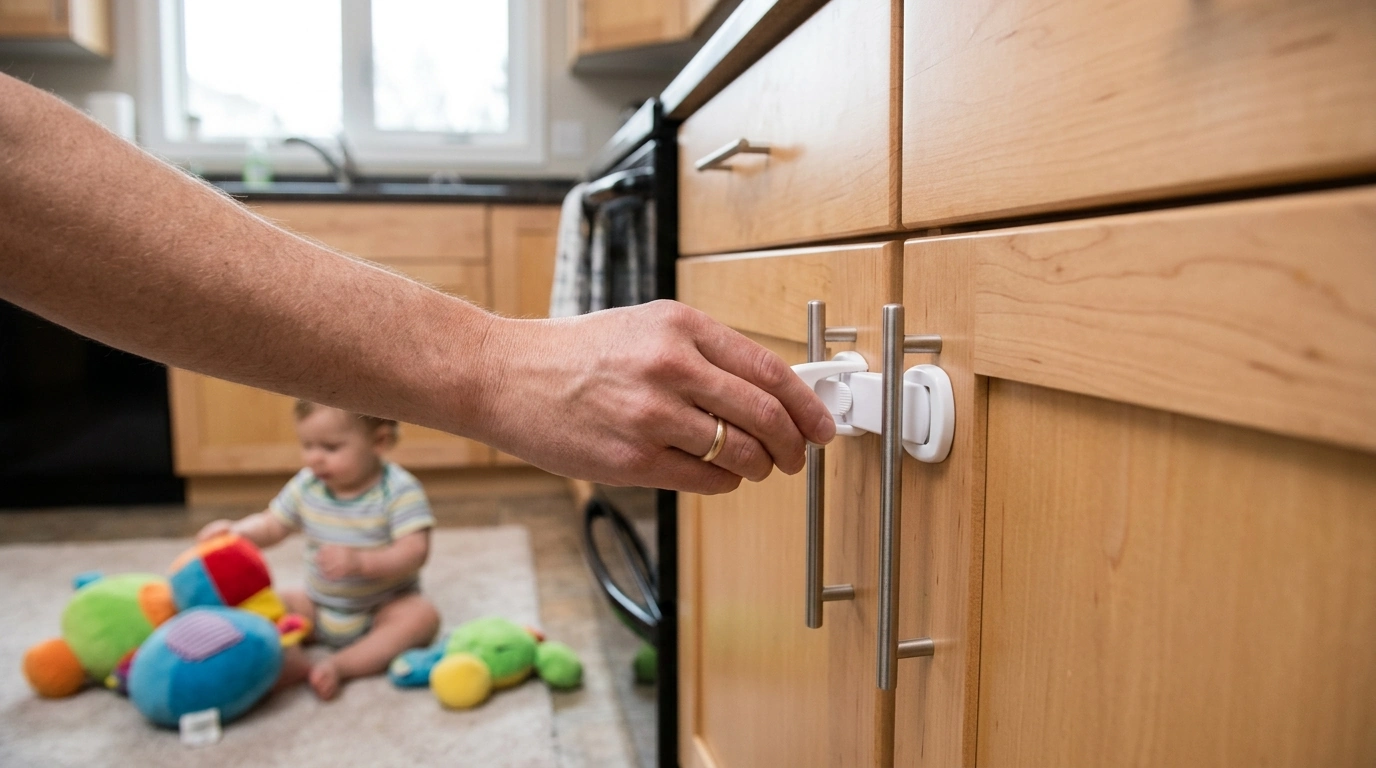
How can I childproof my kitchen to reduce toddler choking risks?
Toddlers explore with their hands and mouths, so the kitchen needs extra layers of prevention. Start by scanning at your child’s eye level: anything that can fit through a toilet-paper roll is a potential choking hazard. Then build routines that keep small items out of reach and food safer to eat.
Store small items like they’re hazardous
Move magnets, coin batteries, bottle caps, twist ties, clips, measuring spoons, and small gadget parts into a high cabinet with a childproof latch. Use a “nothing small on counters” rule—especially near the floor where items can drop and roll under appliances. Keep pet food and treats secured too; many are bite-sized and tempting.
Make drawers and cabinets toddler-resistant
Install latches on drawers that hold utensils, snack packs, and plastic bags. Add a stove knob cover or remove knobs when not cooking to prevent distraction and unsafe access. Use a trash can with a locking lid; toddlers often find choking hazards in wrappers, produce stickers, and small bones.
Reduce food choking risks during prep and meals
Cut round, firm foods (grapes, cherry tomatoes, olives) lengthwise into quarters. Shred or thin-slice meats and stringy foods, and soften raw veggies by steaming. Spread nut butter thinly instead of offering thick spoonfuls. Supervise all eating, keep kids seated, and avoid letting them walk around with food.
Keep packaging and leftovers controlled
Immediately discard produce bands, bread clips, and single-serve caps. Store leftovers in sealed containers rather than leaving toothpicks, skewers, or small garnish items on plates. After cooking, do a quick “floor sweep” for dropped peas, popcorn, or bits of hard food.
For a more detailed checklist you can follow room-by-room, visit the main guide on childproofing your kitchen for choking prevention.
FAQ
What foods are the biggest choking hazards for toddlers?
Whole grapes and cherry tomatoes, hot dog rounds, nuts, popcorn, hard candy, chunks of apple or carrot, and thick globs of nut butter are common risks. Modify shape and texture, and supervise closely during meals and snacks.















Leave a comment