Reebok Sneakers: Gym-to-Street Versatility Checklist
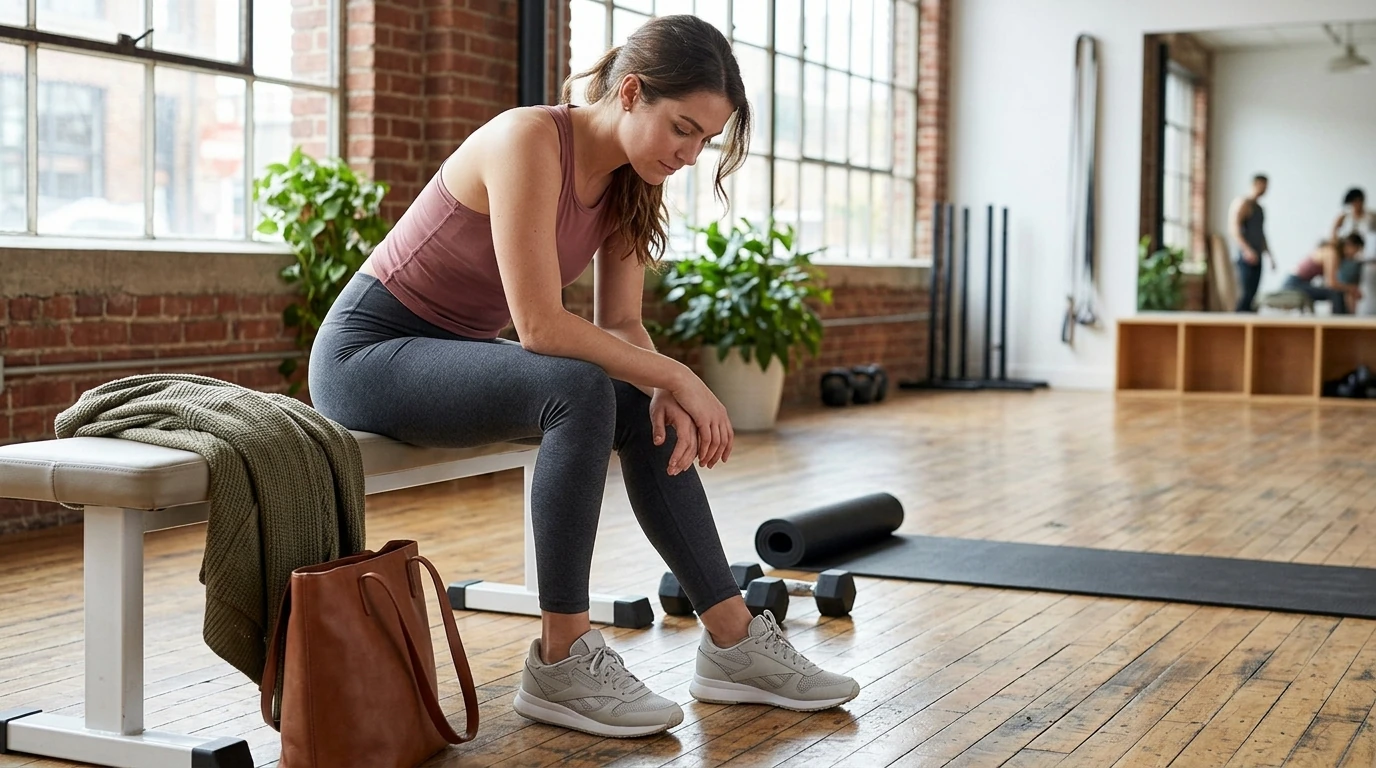
How do I evaluate whether Reebok sneakers can transition from gym to casual daily outfits?
A good gym-to-street Reebok pair should look clean with everyday clothes, feel comfortable for hours, and still perform for light workouts. Start by checking the silhouette: low-profile classics and minimal trainers generally blend into casual outfits more easily than bulky, highly technical running models. Neutral colors (white, black, gray, beige) and simple paneling also make styling easier.
Check the upper and overall look
Materials matter. Smooth leather or suede tends to read more “daily wear,” while heavy mesh with bold overlays looks more workout-specific. Look for subtle branding and fewer loud accents if the goal is versatility. Also consider how the shoe looks with jeans or chinos—if it feels too “athletic uniform,” it may not transition as well.
Evaluate comfort beyond the workout
Gym sneakers can feel great for 60 minutes but less ideal for all-day walking. Test arch support, heel stability, and toe box room by wearing them around the house for a few hours. If the cushioning feels overly soft or the heel rubs, it may be better reserved for training only.
Consider outsole traction and durability
A versatile Reebok should have enough grip for gym floors without aggressive lugs meant for trails. Check for hard-wearing rubber in high-contact zones; street wear can chew through softer training outsoles faster. If you frequently wear them outdoors, durability becomes as important as style.
Decide how you’ll use them week to week
If you plan to lift and then head out, prioritize easy-to-clean uppers and a shape that pairs with casual staples like straight-leg jeans, joggers, or shorts. For deeper guidance on what to look for and how to judge specific pairs, visit the main article.
FAQ
Are Reebok sneakers good for walking all day?
Many Reebok lifestyle and training models work well for daily walking if the cushioning and arch support match your foot. Try them for a few hours first to confirm they stay comfortable and don’t cause heel slip or hot spots.
















Leave a comment