Toy Choking Hazards: Quick Toddler Safety Checks
How do I know if a toy is a choking hazard for my toddler?
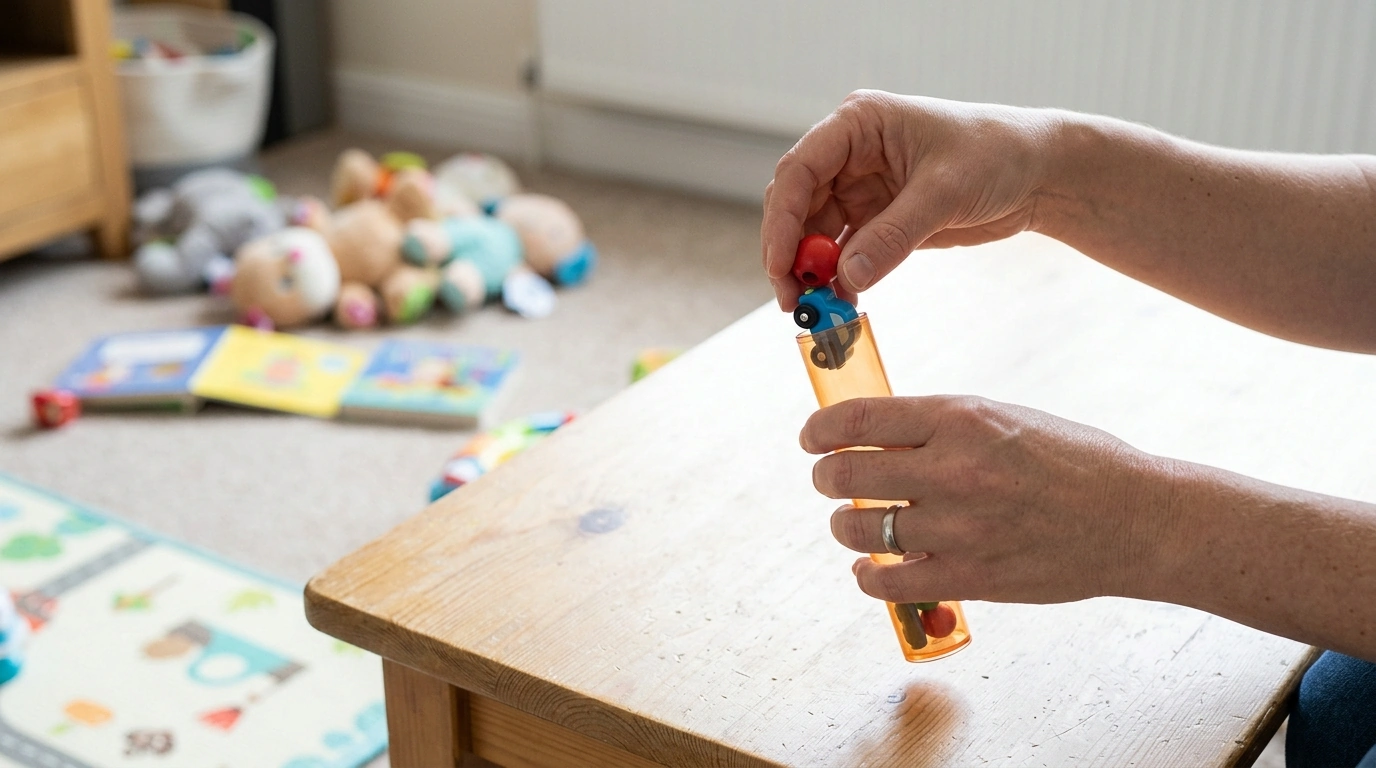
A simple rule helps you spot many choking hazards fast: if a toy or any piece of it can fit into a toilet paper roll (about 1.75 inches wide), it’s small enough to get stuck in a toddler’s airway. If you don’t have a tube handy, compare the item to your child’s mouth—anything that could be swallowed whole or lodged in the throat should be treated as unsafe for kids under 3.
Next, check whether the toy can break into smaller parts. Tug firmly on buttons, eyes, wheels, and decorative pieces. If anything loosens with pulling, twisting, or bending, it can become a choking risk. Also watch for thin plastic, weak seams, or glued-on components that may pop off with normal chewing.
Shape matters, too. Items that are round, oval, or cylindrical are more likely to block airflow, especially if they’re hard and smooth. Be cautious with toy balls, marbles, mini cars, small caps, and egg-shaped pieces. The same goes for “squishy” items that can compress and then expand in the throat.
Pay attention to age labels and warning statements on packaging, but don’t rely on them alone—toddlers vary, and older siblings’ toys often end up in little hands. Keep toys with small parts in a separate bin and do quick floor sweeps after playdates.
For a deeper safety checklist and examples of common risky toy features, visit the full guide on choking hazard toys for toddlers.
For Toy Choking Hazards: Quick Toddler Safety Checks, the best answer depends on fit, material, care instructions, and how the product will be used day to day.
Checking those details first helps avoid a poor match and keeps the choice practical after delivery.
FAQ
What are common choking hazards around the house besides toys?
Coins, button batteries, small magnets, grapes and hot dog slices, popcorn, and nuts are frequent hazards. Also watch for small caps, jewelry, and broken pieces from older kids’ games.













Leave a comment