Indoor Plant Repotting Signs & Best Pot Size Guide
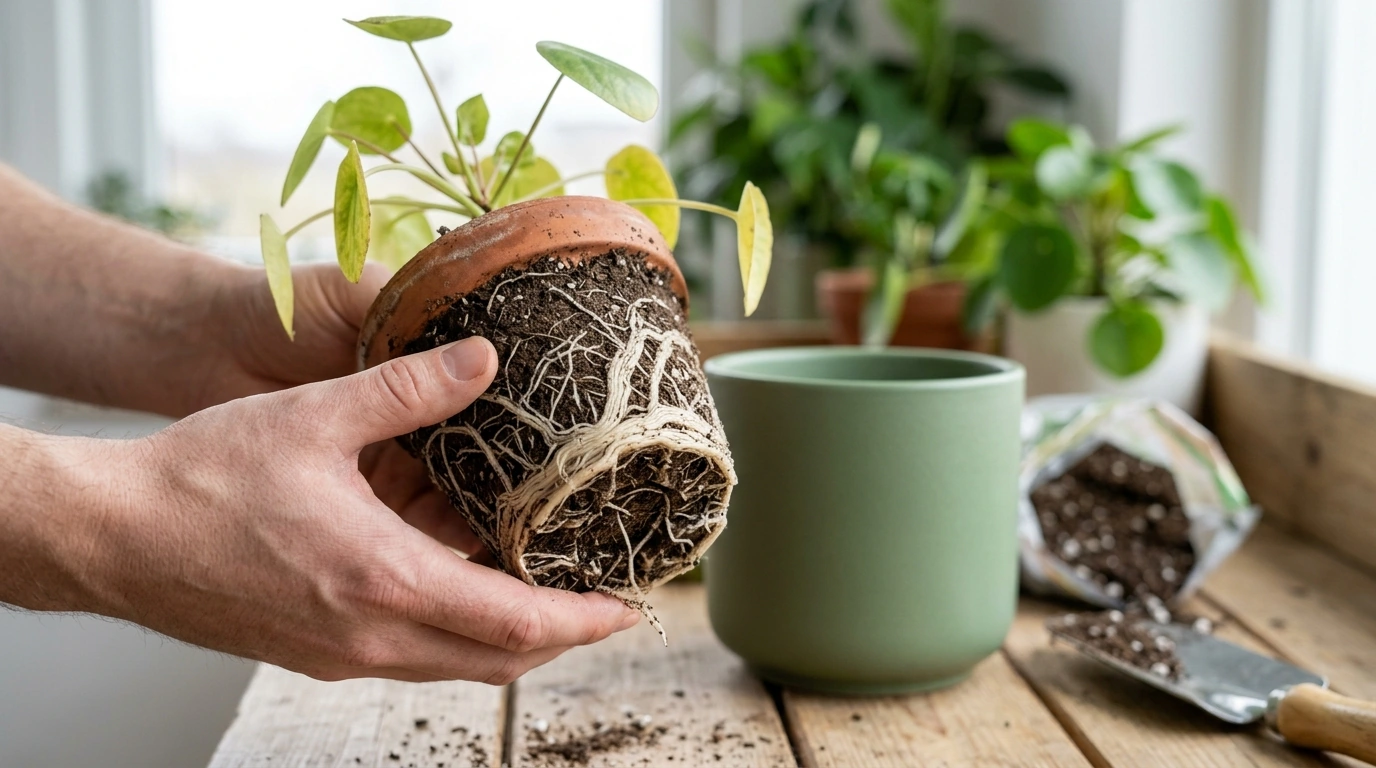
How do I know if my indoor plant needs repotting, and what size pot should I use?
Most houseplants don’t need a new pot on a strict schedule—they need one when the roots and soil conditions stop supporting healthy growth. A quick check can prevent both stunted plants and unnecessary pot upgrades that lead to soggy soil.
Signs your plant is ready for a bigger pot
Look for a few clear clues. Roots circling the surface, poking out of drainage holes, or forming a tight “root ball” when you slide the plant out are classic signs it’s becoming root-bound. Water that rushes straight through the pot (or soil that dries out unusually fast) can mean there’s more root than soil left to hold moisture. Slowed growth during the active season, frequent wilting despite regular watering, or a pot that tips easily because the plant is top-heavy can also point to repotting time.
When repotting may not be the fix
Yellowing leaves, pests, or sudden decline can come from light, watering, or nutrition issues instead of pot size. If roots look healthy and there’s still plenty of soil volume, consider adjusting care before upsizing.
What size pot should you choose?
For most indoor plants, move up just 1–2 inches in pot diameter (about one “size” up). That small step gives roots room to expand without leaving too much extra soil that stays wet and risks root rot. Large, fast-growing plants can sometimes handle a 2–4 inch jump, but only if they’re vigorous and your soil mix drains well.
Also match the pot to the plant’s root type: shallow-rooted plants often do best in a wider pot, while deeper root systems appreciate a slightly taller container. Always use a pot with drainage holes, and refresh with quality potting mix rather than reusing depleted soil.
For a deeper walk-through and extra tips, visit the full repotting guide here.
FAQ
Should I water my plant before or after repotting?
Water lightly a day before repotting if the soil is extremely dry so the root ball slides out more easily. After repotting, water enough to settle the mix, then wait to water again until the top layer begins to dry based on that plant’s needs.
















Leave a comment