How to Spot Fake Nike Clothing: Tags, Stitching & Codes
How to tell if Nike clothes are fake?
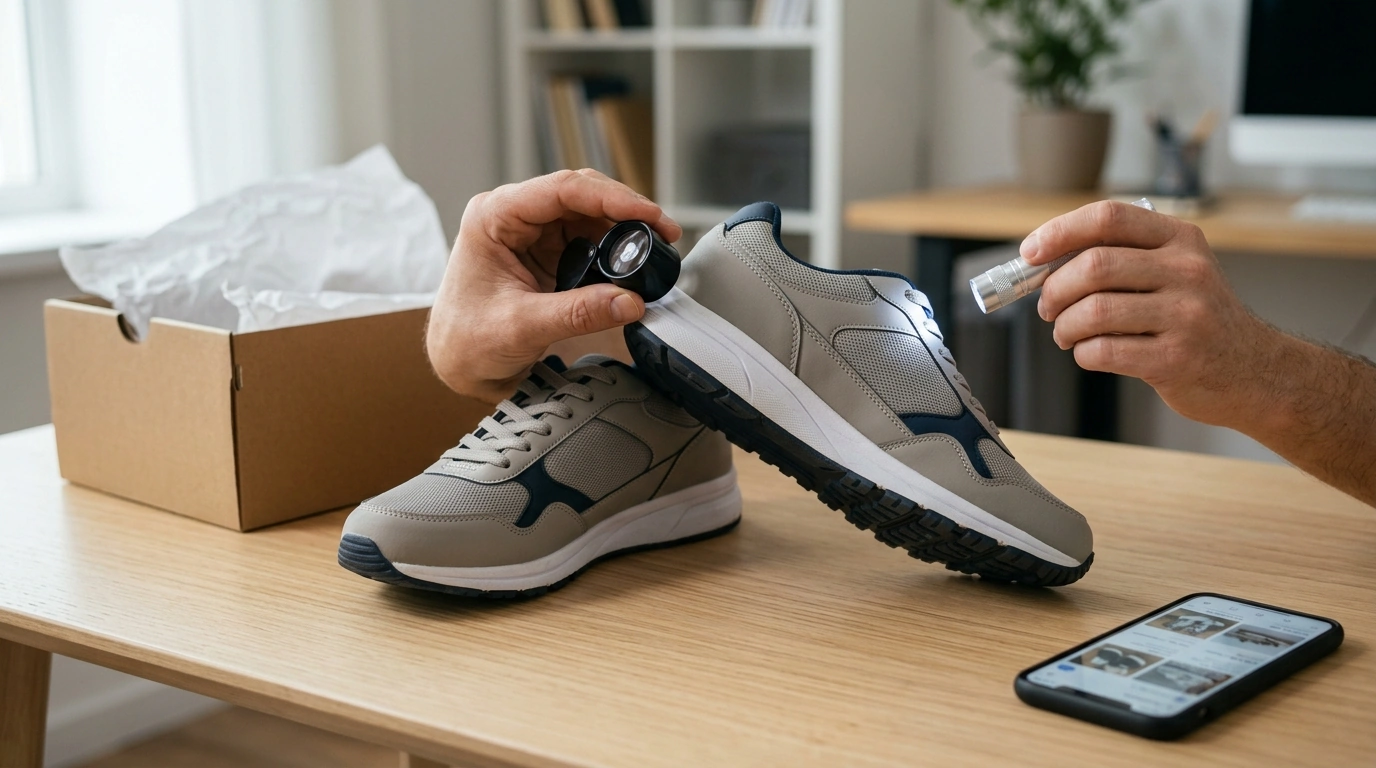
Fake Nike apparel can look convincing in photos, but it usually slips up on build quality and small details. A quick, hands-on check can save money and hassle—especially before removing tags or missing a return window.
1) Start with the inside tag (RN/CA, fabric, and printing)
Check the care/size tag for crisp printing, consistent font, and clean edges. Authentic Nike tags typically include an RN number (and sometimes a CA number), accurate fabric percentages, and clear washing icons. Blurry text, misspellings, odd spacing, or missing regulatory info are common red flags.
2) Inspect the Swoosh and any heat-pressed graphics
On real Nike clothing, the Swoosh shape is balanced and sharp, and placements look intentional. Heat transfers should sit flat with clean borders—no cracking right out of the bag, bubbling, peeling corners, or smeared edges. Embroidery should be tight and even, not loose or lumpy.
3) Examine stitching, seams, and finishing
Authentic pieces usually have consistent stitch length, straight seams, and neat finishing inside hems. Watch for dangling threads, uneven overlock stitching, crooked neck labels, and mismatched panels—issues that show up more often in counterfeits.
4) Compare the style code and product details
Many Nike items include a style code on the tag. Search that code and confirm the colorway, material callouts, and design details match official photos. If the code pulls up a different item—or nothing at all—treat it cautiously.
5) Pressure-test the price and the seller’s story
Deep discounts, “no returns,” missing receipts, or vague sourcing are warning signs. Authentic Nike retailers can explain where stock came from, provide order confirmation, and offer standard return policies.
For a tighter checklist covering tags, logos, stitching, and code checks, visit this Nike real vs fake quick checklist.
FAQ
What does an authentic Nike tag look like?
It’s typically cleanly printed with consistent fonts, clear wash icons, and regulatory identifiers like an RN number. Smudged text, misspellings, or missing key info are common counterfeit clues.















Leave a comment