Synthetic vs Conventional Oil: Is It Really Better?
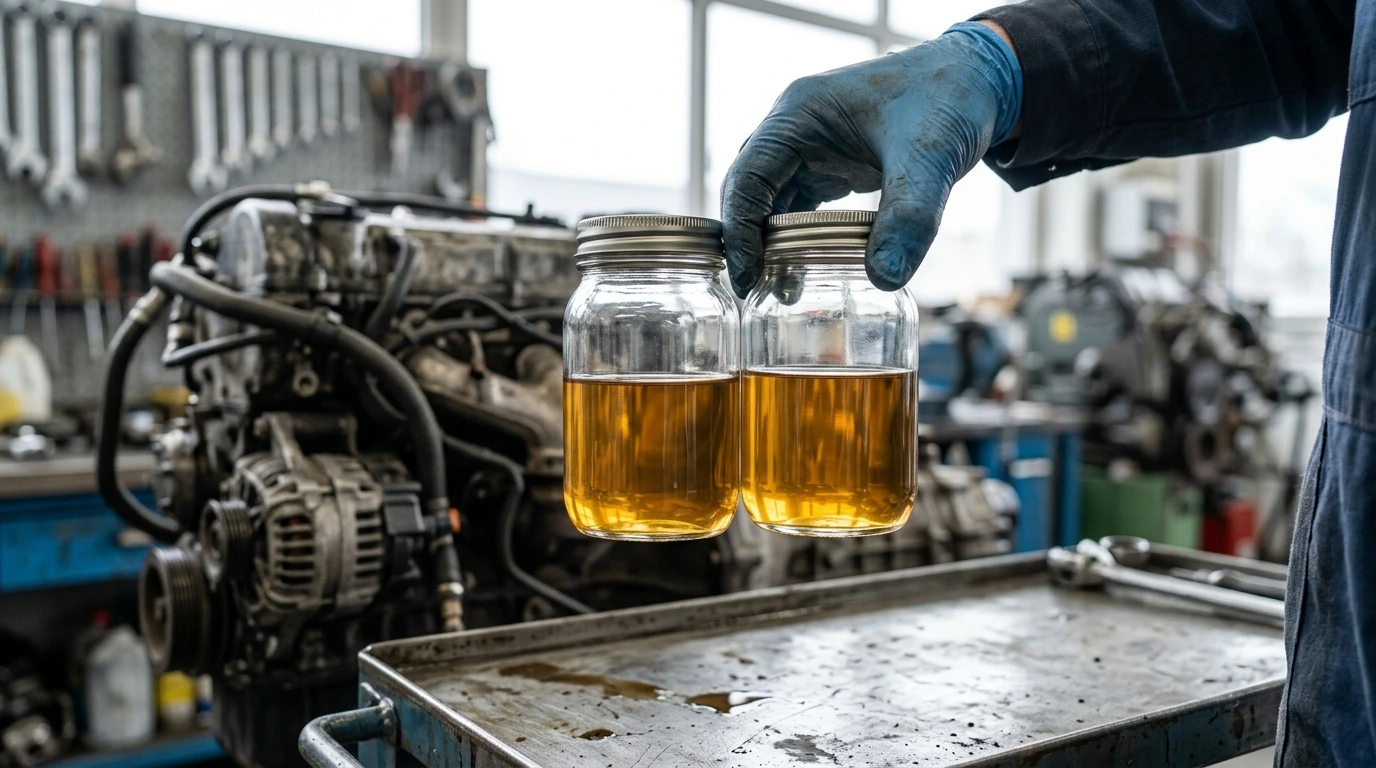
Is synthetic oil really that much better than conventional oil?
Often, yes—synthetic oil can be noticeably better than conventional oil, especially in extreme temperatures, high-mileage driving, towing, turbocharged engines, and stop-and-go commutes. Synthetic base stocks are engineered to be more uniform and stable, which helps the oil resist breaking down under heat and stress. That typically translates to stronger protection against wear, less sludge formation, and more consistent lubrication from cold starts to hot highway runs.
Synthetic oil also tends to flow better in cold weather, so critical engine parts receive oil faster right after startup—when a lot of wear occurs. On the other end of the spectrum, it’s generally more resistant to oxidation at high temperatures, which helps it maintain viscosity and reduce deposits over time. If the vehicle manufacturer specifies synthetic (or a specific oil standard), using synthetic isn’t just “better”—it’s the right match for the engine’s design and warranty requirements.
That said, “better” doesn’t always mean “necessary.” Many naturally aspirated engines driven in mild conditions can run perfectly well on conventional oil when oil changes are done on time and the correct viscosity and API/ILSAC specs are used. Conventional oil can be a smart value choice for older vehicles with simple operating demands, short ownership horizons, or very frequent oil-change habits.
Cost is the main trade-off. Synthetic oil usually costs more per quart, but it may offer longer oil life (when the owner’s manual allows it), improved performance in harsh conditions, and potentially fewer deposits over the long run. For a deeper breakdown of performance, intervals, and when the upgrade makes the most sense, see the full guide here: https://keybuybazaar.shop/is-synthetic-oil-really-that-much-better-than-conventional-oil/.
FAQ
Can I switch back and forth between synthetic and conventional oil?
Yes, as long as the oil meets the required viscosity and specifications for the engine. The biggest priority is staying consistent with proper oil-change intervals and using a quality filter.
















Leave a comment