Synthetic Oil for High-Mileage Cars: Is It Worth It?
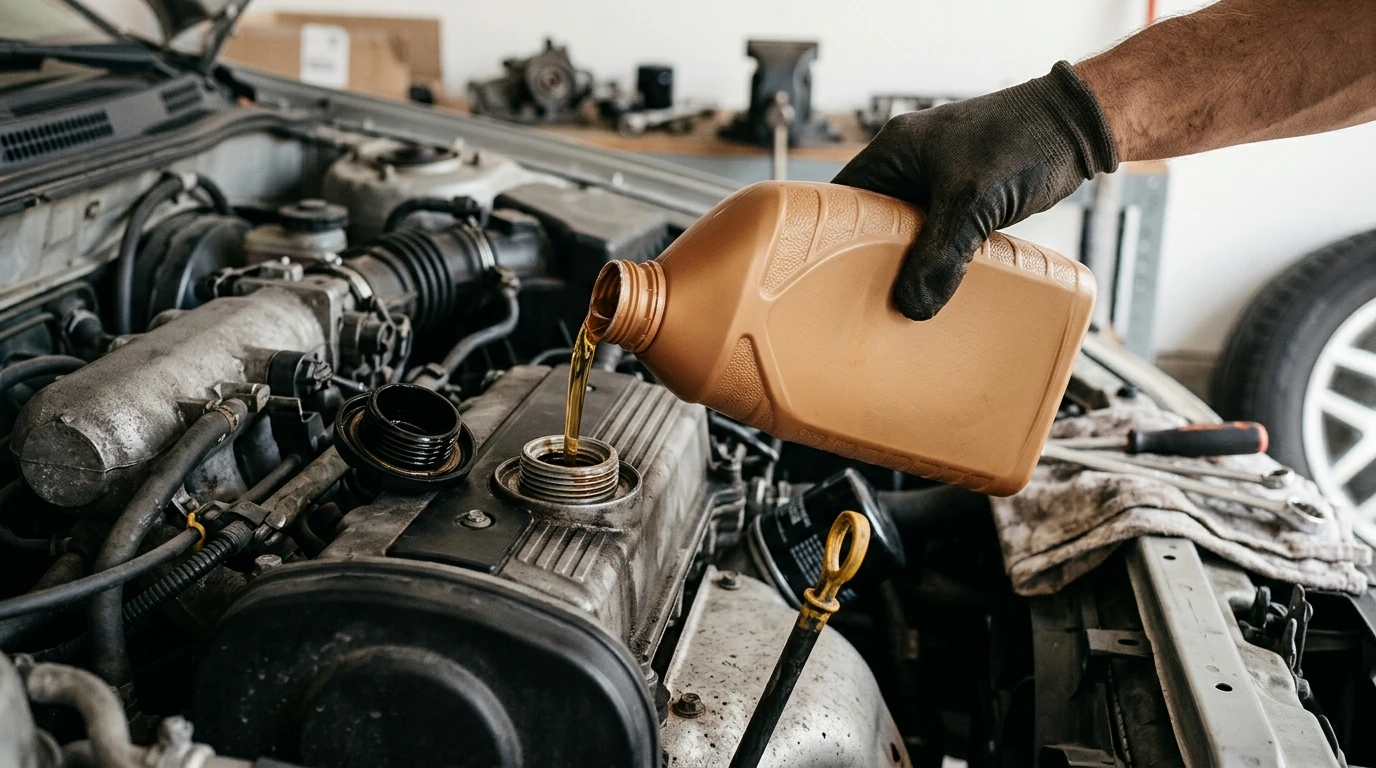
Is synthetic oil worth the extra cost for older or high-mileage cars?
Often, yes—especially if the engine is still in good shape and you plan to keep the vehicle. Synthetic oil generally handles heat better, resists breakdown longer, and flows faster during cold starts than conventional oil. Those strengths matter more as engines age, because wear, deposits, and temperature stress tend to increase over time.
When synthetic oil can be a smart upgrade
If your high-mileage car sees lots of short trips, stop-and-go driving, towing, extreme heat/cold, or long highway runs, synthetic oil can provide more stable protection. It can also help reduce sludge formation and keep internal parts cleaner, which may support smoother operation in older engines. Many drivers notice quieter starts or more consistent oil pressure, particularly in cold weather.
High-mileage synthetic blends vs. full synthetic
“High-mileage” oils (available in both blends and full synthetic) typically include seal conditioners and additive packages designed for older engines. If your car has minor seepage or uses a little oil between changes, a high-mileage formula can be a practical middle ground—often delivering many synthetic benefits without always being the most expensive option.
When the extra cost may not pay off
If the vehicle is rarely driven, is near the end of its service life, or already has significant oil consumption or heavy leaks, paying more for full synthetic may not deliver noticeable value. Also, the best oil is only as good as its change schedule: skipping oil changes (or running low on oil) can erase any advantage.
Bottom line
For many older or high-mileage cars, synthetic oil is worth the added cost when it matches the engine’s needs and your driving conditions—especially when paired with the correct viscosity and a quality filter. For a deeper breakdown of pros, cons, and decision tips, see the full guide here.
FAQ
Can synthetic oil cause leaks in an older engine?
Synthetic oil doesn’t “create” leaks, but it can clean away deposits that were masking worn seals, making existing seepage more noticeable. A high-mileage oil can help condition seals and may reduce minor leaks over time.
















Leave a comment