Toddler Naptime Routine: 15–30 Minutes That Works
What is a good naptime routine for a toddler?
A good naptime routine for a toddler is short, predictable, and calming—usually 15 to 30 minutes from start to crib. The goal is to help your child’s body recognize the same cues each day so falling asleep feels familiar instead of stressful. Keep the routine consistent even on weekends, and start it at the same time daily when possible.
Keep the pre-nap window calm and consistent
About 20 to 30 minutes before nap, shift from active play to quieter choices. Offer a small snack and water earlier (not right before lying down), then do a quick diaper change or potty trip. Dim the lights, lower noise, and avoid screens, which can make it harder to settle.
Use a simple sequence your toddler can predict
Pick 3–5 steps and repeat them in the same order. For example: bathroom/diaper, wash hands, sleep sack, two short books, cuddle, then into the crib. A brief “nap phrase” like “It’s rest time; I’ll see you after nap” can reduce bargaining because the words never change.
Create a sleep-friendly nap environment
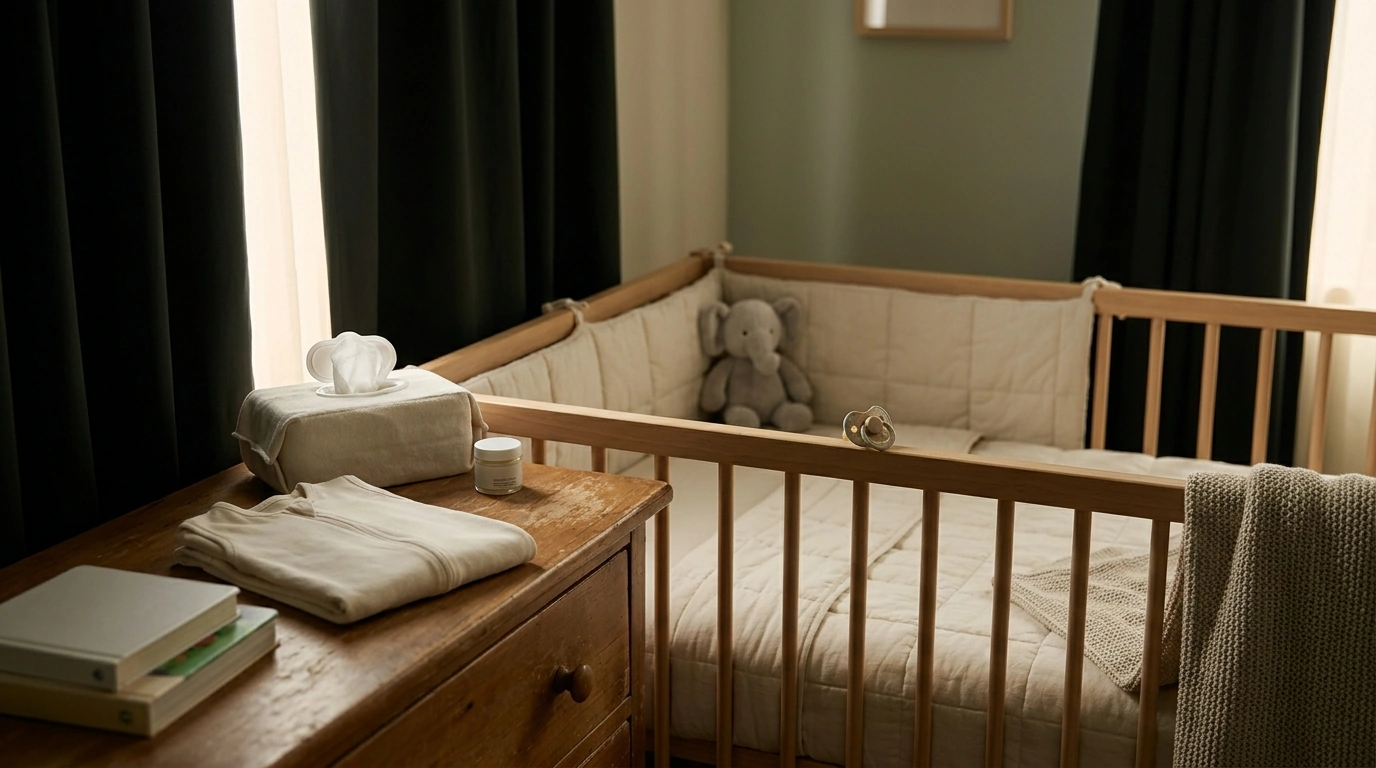
Most toddlers nap best in a cool, darkened room with steady white noise. If your child struggles with darkness, a dim night light is fine—just keep it consistent. Put comfort items (like a small blanket or stuffed animal) in the crib only if they’re age-appropriate and allowed by your pediatrician’s safety guidance.
Handle resistance with clear, gentle boundaries
If your toddler protests, respond calmly and keep interactions boring and brief. A single return-to-bed approach works well: guide them back, repeat the same phrase, and leave. Too much talking, negotiating, or extra snuggles can accidentally reward stalling.
For a deeper breakdown of timing, common nap struggles, and age-by-age adjustments, visit the full guide on toddler naptime routines.
FAQ
How long should a toddler nap during the day?
Many toddlers do best with one nap lasting about 1–2 hours, though some need a bit more or less. If naps regularly run very long and bedtime becomes difficult, consider gently capping the nap.
















Leave a comment