Why “3+” Toys Can Still Be Unsafe for Under-3s
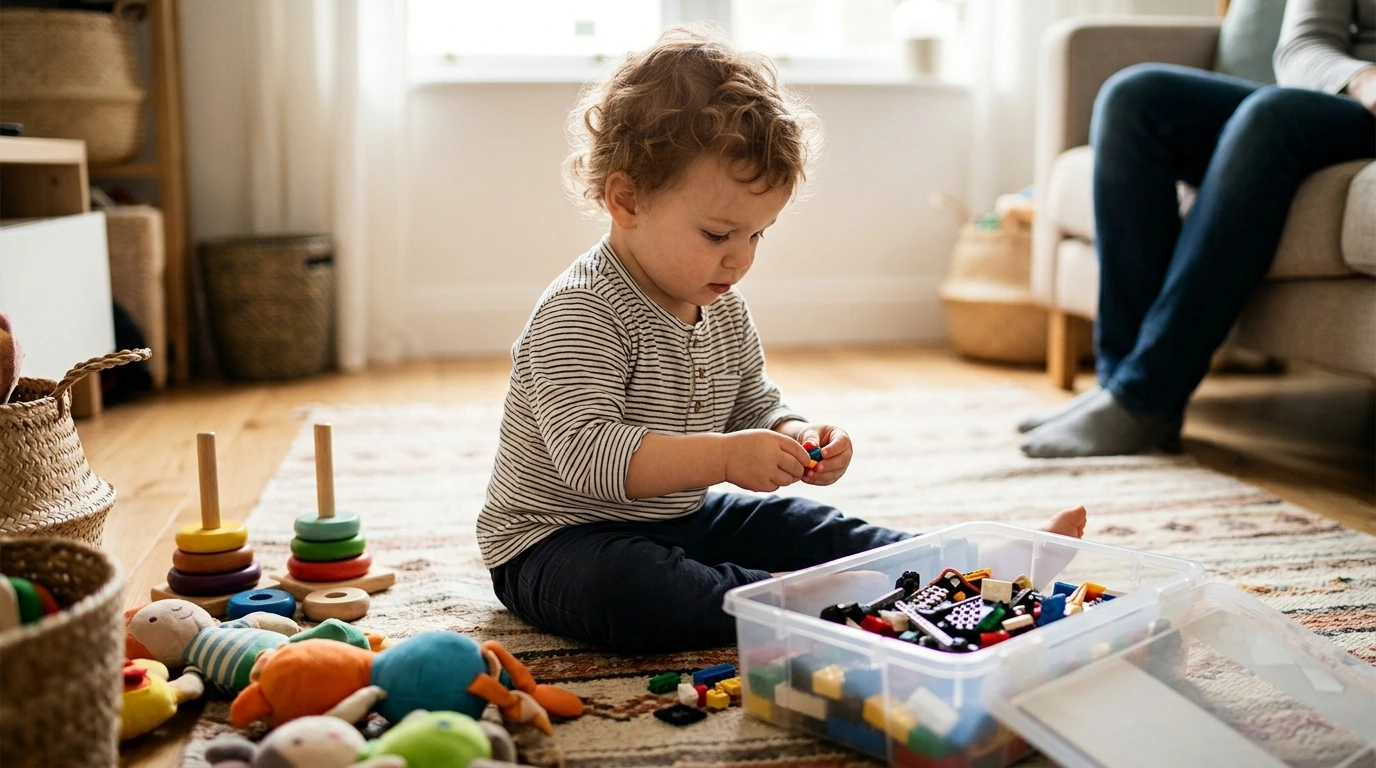
What makes a toy unsafe for toddlers under 3 even if it says “3+” on the box?
A “3+” label is a starting point, not a guarantee that every child under three will be safe with the toy. Age grading is often based on developmental skills and typical use, but real-life play can be messier: toddlers mouth, chew, bang, and pry—sometimes in ways a toy wasn’t designed to handle. That’s why a toy that seems fine at first glance can still be risky for younger kids.
Small parts can appear after the toy is opened
Even if the toy doesn’t look like a choking hazard in the package, parts can break off with rough handling or repeated drops. Removable eyes, buttons, wheels, magnets, and decorative pieces can become small parts quickly. If a piece can fit inside a toilet paper roll (a common quick test), it’s too small for most kids under three.
Loose strings, cords, and loops can be more dangerous than they look
Toddlers can get entangled in long cords, ribbons, or pull strings—especially if the toy is used in a crib or playpen. Pay attention to anything that can wrap around a neck or form a loop, including packaging ties that get saved “to play with.”
Hard edges, strong points, and heavy materials raise injury risk
A toy built for older kids may have sharper corners, stiff plastic, or rigid parts that can cause mouth or eye injuries when a toddler falls while holding it. Heavier toys can also cause harm when tossed or dropped onto feet or faces during energetic play.
Buttons, batteries, magnets, and tiny accessories are high-alert items
Coin batteries and small powerful magnets are especially hazardous if swallowed. Some “3+” toys include battery compartments or magnetic pieces intended for supervised play, but toddlers can still access them if covers loosen or screws strip over time.
For a deeper breakdown of common hazards and what to check before buying, visit the main article.
FAQ
How can I quickly check if a toy part is a choking hazard?
If a loose piece can fit entirely inside a toilet paper roll, it’s generally too small for children under three. Also watch for parts that can break off after twisting, pulling, or dropping the toy.













Leave a comment