Freelance Proposal Sections That Win Clients (8 Essentials)

What sections should every freelance service proposal include to win more clients?
A winning freelance service proposal is easiest to say “yes” to when it’s structured, specific, and tied to outcomes. These core sections keep your offer clear, reduce back-and-forth, and set expectations before work begins.
1) Executive summary (the “why you” snapshot)
Open with a tight summary of the client’s goal, what you’ll deliver, and the result they can expect. Keep it client-focused and measurable where possible (speed, conversions, leads, time saved).
2) Problem statement + goals
Restate the challenge in plain language and list 2–5 concrete goals. This signals you understood the request and gives a shared definition of success.
3) Scope of work (what’s included—and what isn’t)
Spell out deliverables, quantities, and boundaries. Add exclusions (out of scope items) to prevent surprises and protect timelines.
4) Process and timeline
Describe the steps you’ll follow (discovery, draft, revisions, handoff) and attach a realistic timeline with milestones. Mention dependencies like client-provided access, assets, or approvals.
5) Pricing, payment terms, and options
List the total price and what it covers, plus payment schedule (deposit, milestones, net terms). Offering 2–3 package tiers can increase close rate by giving clients a clear choice.
6) Communication and collaboration
Set expectations for meetings, response times, and tools (email, Slack, project boards). Clear communication norms reduce friction and keep approvals moving.
7) Social proof and relevant examples
Add a short case study, testimonial, or a few portfolio bullets tied to similar outcomes. Relevance beats volume.
8) Terms, ownership, and next steps
Cover revision limits, acceptance criteria, usage rights/IP, confidentiality, and cancellation terms. End with a simple call to action: sign, pay the deposit, and schedule kickoff.
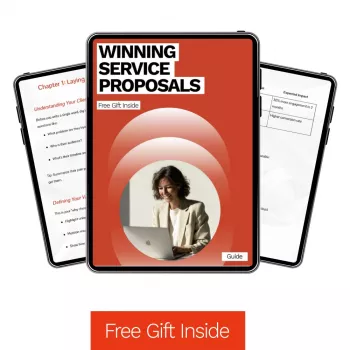
For a detailed checklist and extra sections that can strengthen your pitch, see the full service proposal guide.
FAQ
How do you write a freelance proposal that doesn’t sound generic?
Use the client’s language, name specific deliverables, and tie each item to a business outcome. Replace broad claims with concrete proof like metrics, a mini case study, or a relevant work sample.














Leave a comment