Stop Your Aluminum Car Trash Can From Tipping
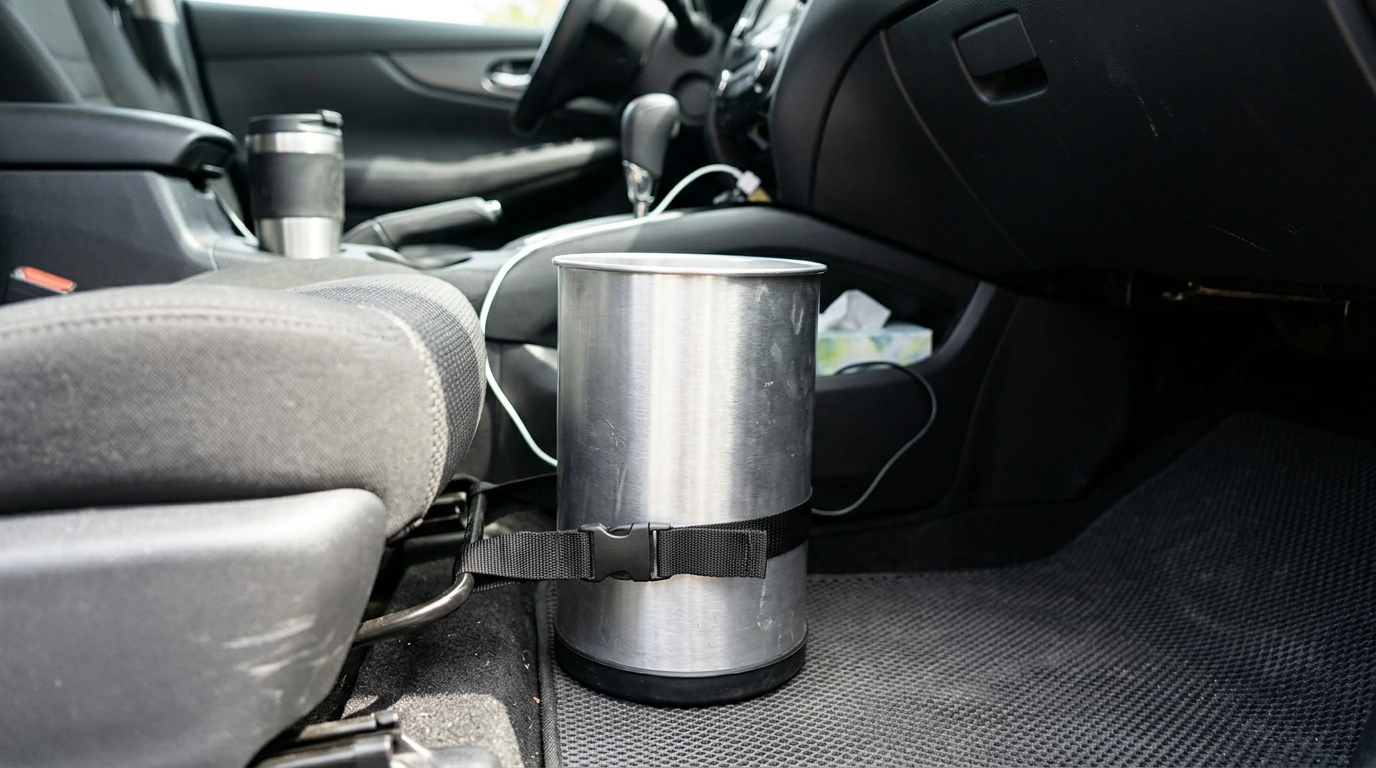
Will an aluminum car trash can stay stable on bumpy roads, and what features help prevent tipping?
An aluminum car trash can can stay stable on bumpy roads, but stability depends more on its design and how it’s mounted than on the metal itself. Aluminum bodies are rigid and durable, yet many models are lightweight—so without the right base and attachment points, they can slide or tip when you brake, turn, or hit potholes.
What keeps an aluminum car trash can from tipping?
1) A low center of gravity and a wider base
Look for a can that’s shorter and wider rather than tall and narrow. A wider footprint lowers the chance of rocking side to side. Some designs add a slightly flared bottom or a thicker base ring to keep weight down low.
2) Non-slip padding on the bottom
Rubber or silicone pads underneath are a big deal on textured floor mats and smooth plastic panels. They increase friction so the can doesn’t “skate” during sudden stops, which is often what causes tipping in the first place.
3) A secure mounting method (not just “place it on the floor”)
The most stable setups use a strap, hook, or bracket to anchor the can to something fixed—like the back of a seat, a center console side, or the seat rail area. If the can is meant to sit in a cup holder or door pocket, confirm it’s sized to fit snugly so it can’t wobble loose on rough pavement.
4) A lid that controls shifting trash
On bumpy roads, the trash inside can shift and create a “top-heavy” effect. Flip-top, swing, or push-lid designs help keep items contained and reduce sudden weight shifts. A lid also prevents lightweight wrappers from popping out and changing balance.
5) Inner liner support and spill resistance
A removable inner bucket or liner ring helps keep bags from collapsing to one side. If you sometimes toss cups or damp items, a leak-resistant interior prevents liquid pooling on one edge—another common tipping trigger.
For more specifics on choosing a stable option and what to look for in real-world use, visit the main article.
FAQ
How do you clean an aluminum car trash can without leaving odors?
Empty it regularly, wash with warm water and mild dish soap, then dry completely. For lingering smells, wipe the interior with a 1:1 mix of water and white vinegar, rinse, and let it air-dry with the lid open.
















Leave a comment