Puma Shoe Quality: Comfort, Durability & Value
Are Puma shoes high quality?
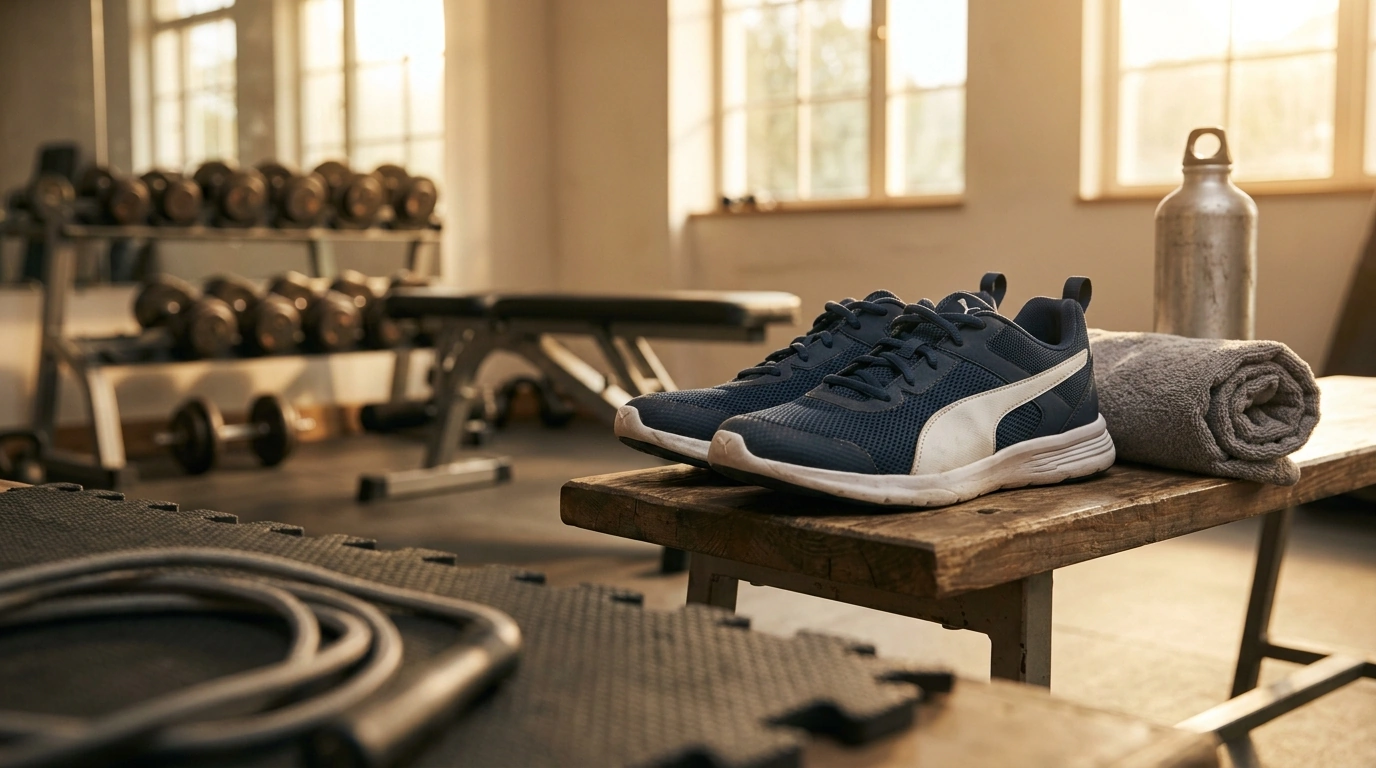
Puma shoes are generally considered high quality for their price tier, especially in lifestyle sneakers and many running and training models. The brand has a long track record in footwear design, and most pairs deliver solid comfort, consistent sizing, and materials that hold up well with normal wear.
What “high quality” looks like with Puma
Quality can vary by model, but many Puma shoes share a few strengths: durable rubber outsoles with reliable traction, comfortable midsoles that stay supportive over time, and uppers that resist creasing and tearing better than many budget alternatives. In everyday use—commuting, casual wear, light workouts—Puma tends to perform well without requiring premium-level spending.
Where Puma quality stands out
Puma’s lifestyle classics often get the most praise for build consistency and long-term wear. Many buyers also like Puma for comfort right out of the box, with less break-in time than stiffer fashion sneakers. For training and running, models with more advanced cushioning and structured uppers typically feel more “premium” and last longer than entry-level options.
What affects durability and value
Not every Puma shoe is built the same. Materials (leather vs. synthetic), outsole thickness, and midsole foam all influence longevity. Heavier daily use, frequent outdoor workouts, or wet conditions can wear any shoe faster, so it’s worth matching the model to the activity. Checking the specific line and construction details usually predicts satisfaction better than judging the brand name alone.
For a deeper breakdown of materials, durability, and what to look for by category, visit the main guide on Puma shoe quality.
For Puma Shoe Quality: Comfort, Durability & Value, the best answer depends on fit, material, care instructions, and how the product will be used day to day.
Checking those details first helps avoid a poor match and keeps the choice practical after delivery.
FAQ
Do Puma shoes run true to size?
Many Puma models fit true to size, but the fit can vary by line and upper material. If a model is known to run narrow, sizing up a half size can improve comfort.












Leave a comment