Aging Cat Signs: Physical, Behavior & Health Red Flags
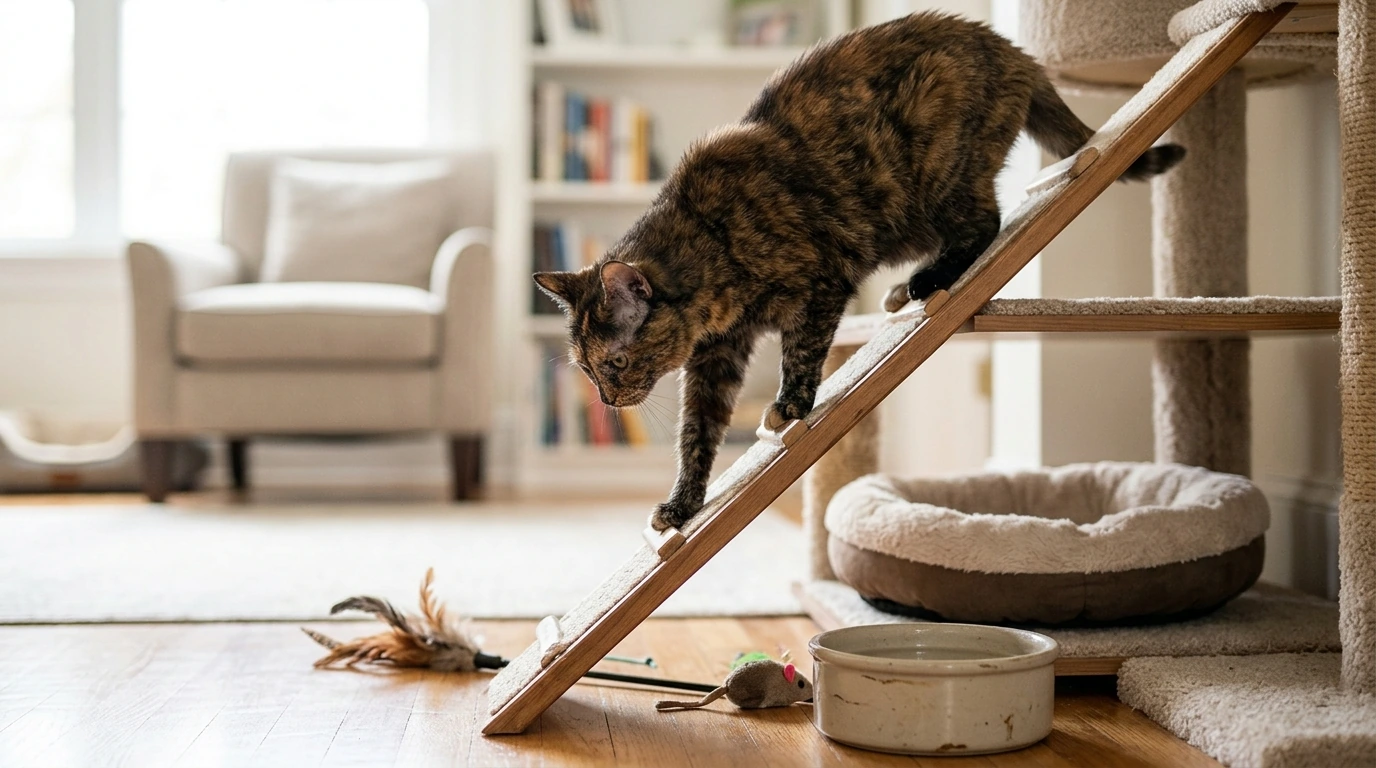
What are the signs that a cat is getting older?
Cats often age quietly, so small day-to-day changes can be the biggest clue. Many cats are considered “senior” around age 10, with more noticeable aging changes showing up from about 12–14 and beyond. If any shift seems sudden or severe, a veterinary checkup can help rule out treatable problems.
Common physical signs of aging in cats
Weight changes are frequent—some older cats lose muscle along the spine and hips, while others gain weight as activity drops. You may notice a duller coat, more dandruff, or less grooming, especially if arthritis makes twisting and bending uncomfortable. Stiffness, reduced jumping, or hesitation on stairs can also point to joint pain.
Behavior and routine changes to watch for
Senior cats may sleep more, play less, or seem less social. Changes in litter box habits matter: peeing more often, straining, accidents outside the box, or stronger-smelling urine can signal urinary or kidney issues. Increased thirst, vocalizing at night, pacing, or seeming confused may be related to thyroid disease, high blood pressure, or cognitive decline.
Health warning signs that deserve prompt attention
Bad breath, drooling, pawing at the mouth, or dropping food can indicate dental disease, which is common in older cats. Vomiting more than occasionally, diarrhea, persistent constipation, coughing, or noticeable breathing changes aren’t “normal aging” and should be evaluated. Any new lumps, ongoing pain, or a sudden change in appetite also warrants a vet visit.
For a deeper, step-by-step look at aging changes and what to do next, visit the full guide on signs a cat is getting older.
For Aging Cat Signs: Physical, Behavior & Health Red Flags, the best answer depends on fit, material, care instructions, and how the product will be used day to day.
FAQ
How can I make my home more comfortable for a senior cat?
Add low-entry litter boxes, ramps or steps to favorite spots, and soft bedding in warm, quiet areas. Keep food, water, and the litter box easy to reach, and consider more frequent brushing if grooming is harder.
















Leave a comment