Help Kids Feel Ready for a Move (Not Scared)
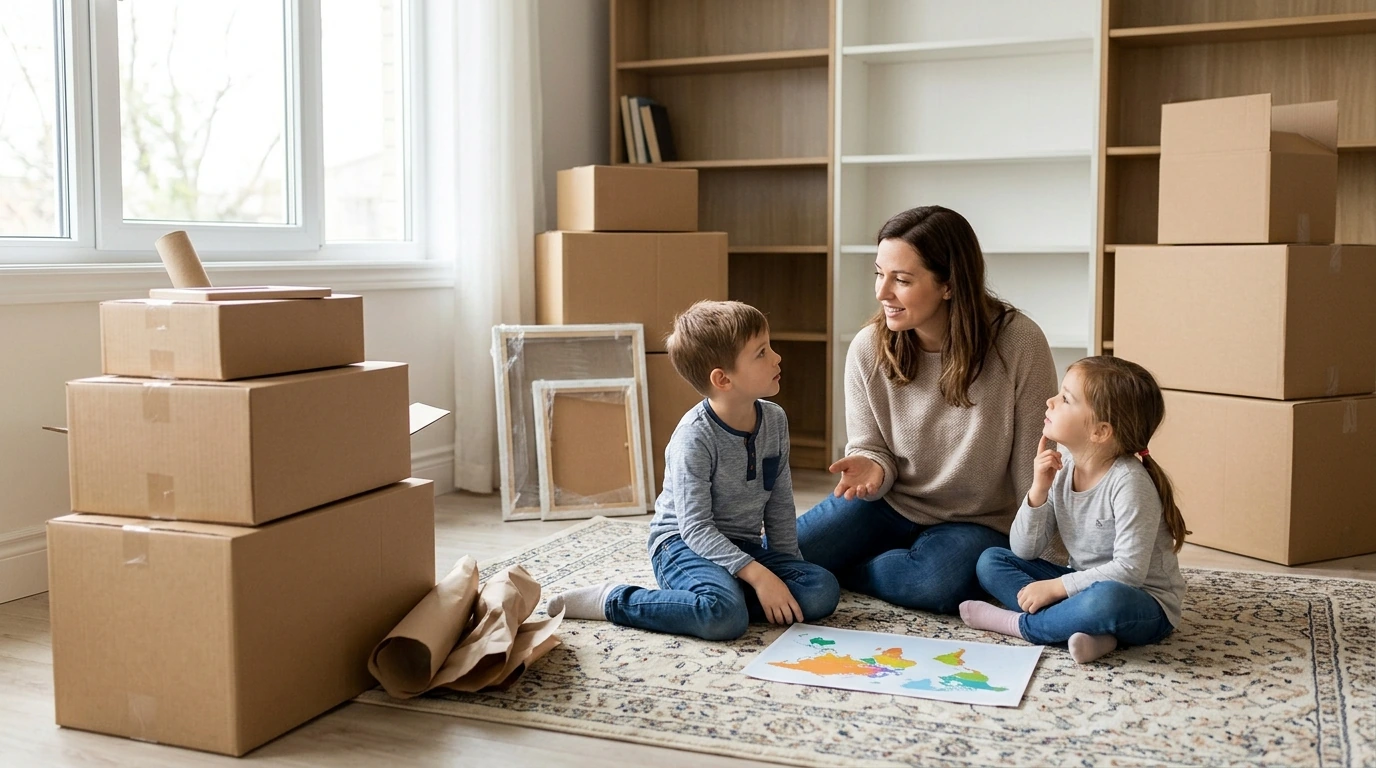
How do I talk to my kids about moving so they feel prepared rather than scared?
Start early and keep the conversation simple, honest, and ongoing. Kids usually fear the unknown more than the move itself, so the goal is to replace vague worries with clear expectations, familiar routines, and chances to participate. Share the “why” in age-appropriate language, acknowledge feelings without rushing to fix them, and offer concrete details they can picture.
Answer
Lead with reassurance and a clear timeline. Explain what’s changing (home, school, neighborhood) and what’s staying the same (family, favorite toys, bedtime routine). Use a basic calendar to mark key dates like packing week, moving day, and the first day at the new school.
Name feelings and invite questions. Try: “It makes sense to feel nervous. What are you most curious or worried about?” Avoid overpromising (“You’ll love it!”). Instead, offer supportive certainty: “We’ll figure it out together.”
Give kids a role. Let them choose paint colors for their room (if possible), pick a special “first-night” item to pack, or label boxes for their own belongings. Control in small doses helps reduce fear.
Create a moving-day plan they can visualize. Describe what they’ll do, who will be with them, where snacks and comfort items will be, and when they’ll see their bed again. Pack an “open-first” box with pajamas, a nightlight, toiletries, and a few familiar items.
Protect routines and connections. Keep meal and sleep schedules steady during the transition. If they’re leaving friends or family, schedule a goodbye ritual and set up simple ways to stay connected (a weekly call or postcards).
For more tips and step-by-step ideas, visit the full guide here: How do I talk to my kids about moving so they feel prepared rather than scared?
FAQ
How can I help my child adjust to a new school after moving?
Visit the school beforehand if you can, practice the route, and role-play introductions. Keep the first week predictable at home, and follow up daily with specific questions like “Who did you sit near?” rather than “How was school?”














Leave a comment