Velvet Sofa Downsides: Marks, Hair, Stains & Wear
What are the downsides of a velvet sofa?
Velvet sofas look rich and inviting, but the fabric comes with a few practical trade-offs that matter in real homes. Before choosing velvet, it helps to know where it can be high-maintenance and when another upholstery might fit your lifestyle better.
Velvet can show marks and “shading”
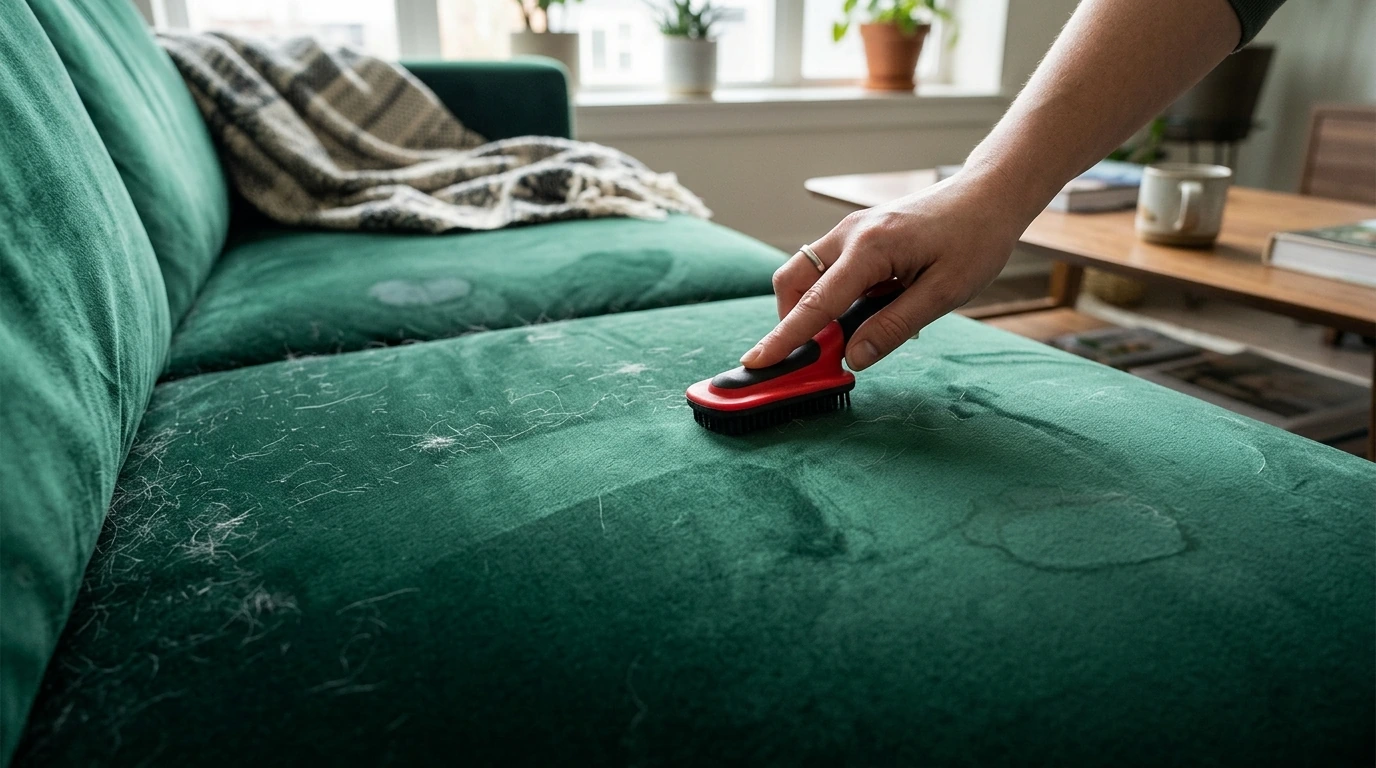
Because velvet has a nap (the direction of its fibers), it can display pressure marks, handprints, and visible “tracking” where you sit or brush against it. Depending on lighting and color, the surface may look lighter or darker from different angles, which some people love and others find fussy.
It may attract lint, dust, and pet hair
Velvet tends to grab onto lint and hair more than smoother fabrics. If you have pets, darker velvet can make shedding especially noticeable, and you may need frequent vacuuming with a soft brush attachment or a lint roller to keep it looking clean.
Stain sensitivity varies (and spills can be stressful)
Not all velvet is equally forgiving. Some cotton velvets can absorb spills quickly, while performance velvet or synthetic blends are typically more resilient. Even so, spots can be tricky if they crush the pile or leave a water ring, so quick blotting and the right cleaner for the fabric type are important.
Crushing and wear can show over time
High-use seat cushions and arm areas may develop flattened pile, especially on softer velvets. This can create shiny patches or texture changes that are hard to reverse, particularly on lower-quality upholstery.
It can be pricier and more demanding to maintain
Quality velvet upholstery and well-constructed frames often cost more upfront. Ongoing care—regular brushing, careful spot cleaning, and avoiding harsh scrubbing—can also feel like extra work compared with textured weaves or leather.
For a deeper breakdown of fabric types, care tips, and what to expect long-term, visit the main article on velvet sofa downsides.
FAQ
Is velvet a good choice for homes with pets?
It can be, but expect pet hair and lint to show, especially on darker colors. Performance velvet is usually the best bet, and regular vacuuming helps a lot.
















Leave a comment