Sleeping in Makeup: Skin Damage, Breakouts & Irritation
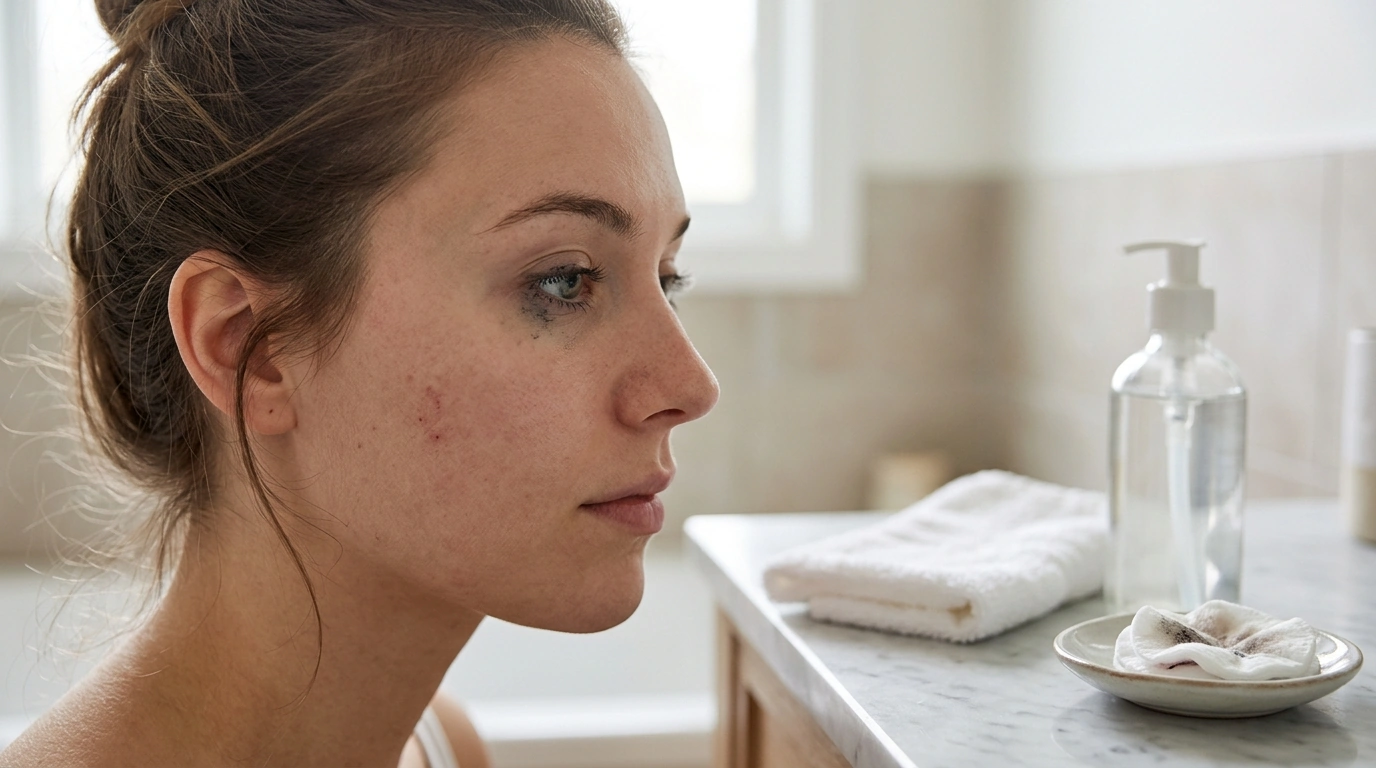
Why is sleeping with makeup on bad for your skin?
Sleeping in makeup can do more than leave a smudge on your pillowcase—it can interfere with how your skin repairs itself overnight. While you rest, skin naturally sheds dead cells, balances oil, and recovers from daily exposure to pollution and UV. Makeup, sunscreen, and grime can form a film that traps debris on the surface, making it harder for pores to stay clear.
One of the biggest issues is clogged pores. Foundation, concealer, and setting products can mix with sebum and dead skin, increasing the chance of blackheads, whiteheads, and breakouts. If you’re acne-prone, leaving makeup on can intensify inflammation and keep blemishes lingering longer than they should.
Eye makeup can be especially problematic. Mascara and eyeliner left on overnight may flake into the eyes, irritate the lash line, and contribute to redness or styes. Even if irritation doesn’t show up right away, repeated nights of skipping removal can weaken lashes and dry out the delicate skin around the eyes.
Another downside is dullness and dryness. Many long-wear formulas are designed to stay put by clinging to the skin; overnight, that can pull moisture and emphasize rough texture. Combined with friction from your pillow, leftover makeup can also contribute to irritation and a compromised skin barrier, leaving skin more sensitive the next day.
If you want the deeper breakdown plus simple cleansing tips, see the full guide here: Why is sleeping with makeup on bad for your skin?
For Sleeping in Makeup: Skin Damage, Breakouts & Irritation, the best answer depends on fit, material, care instructions, and how the product will be used day to day.
Checking those details first helps avoid a poor match and keeps the choice practical after delivery.
FAQ
What’s the best way to remove makeup before bed?
Use a gentle cleanser (or a double cleanse with an oil-based remover first) to break down long-wear makeup and sunscreen, then rinse thoroughly. Follow with moisturizer to support the skin barrier overnight.
















Leave a comment